Immediate smells, sneezing or post-renovation haze call for a measurable, prioritized response — not impulse buying.
A lingering paint smell after renovation, sudden evening headaches, or smoke that won’t dissipate are concrete signals indoor air needs fixing. Retail claims for purifiers, houseplants and scented sprays add noise. With limited time and money, the sensible approach is: test first, stop obvious sources, improve ventilation, then add targeted filtration — and verify results with simple measurements. Small actions that can be measured are higher priority than unproven gadgets.
- CO2: aim < 800 ppm as ventilation proxy
- Relative humidity: 30–50% to limit mold and dust mites
- Particles: HEPA/portable cleaner sized to room CADR
What drives most home air-health risk
Three pollutant categories and how to recognize them
-
Particles (PM2.5/PM10, dust, smoke)
- Common sources: cooking (especially frying), candles, fireplaces, tobacco, tracked-in soil, poor filtration.
- Typical signs: visible dust or soot, smoky smell after cooking, worsening of asthma or cough, symptoms that spike during/after activities that create smoke or dust.
-
Gases (VOCs, carbon monoxide, NO2)
- Common sources: paints, cleaning products, new furniture, gas stoves, unvented combustion appliances, vehicle exhaust near intakes.
- Typical signs: chemical or sweet odors, headaches, eye/nose/throat irritation, dizziness, unexplained fatigue. Carbon monoxide presents with flu-like symptoms and can be life‑threatening — treat as an emergency.
-
Biologicals (mold, bacteria, pet dander, dust mites)
- Common sources: damp areas, plumbing leaks, high humidity, carpeting, bedding, pets.
- Typical signs: musty odors, visible mold, chronic nasal congestion, itchy eyes, worsening allergies, symptoms tied to dampness or time spent in specific rooms.
Quick checks: note odor presence, timing of symptoms (worse at home or after activities), visible signs (mold, soot, dust), and humidity above 50%.
If symptoms start immediately after cooking or smoking, suspect particles.
If a chemical odor or headaches occur, suspect gases and test for CO and VOCs.
If symptoms correlate with dampness or a musty smell, suspect biologicals and check RH and leaks.
Practical measurement protocol
A short, repeatable protocol for homeowners or contractors to collect actionable indoor air data: what sensors to buy, where to put them, how long to log, and how to distinguish transient spikes from persistent background problems.
-
Sensors to buy and sampling
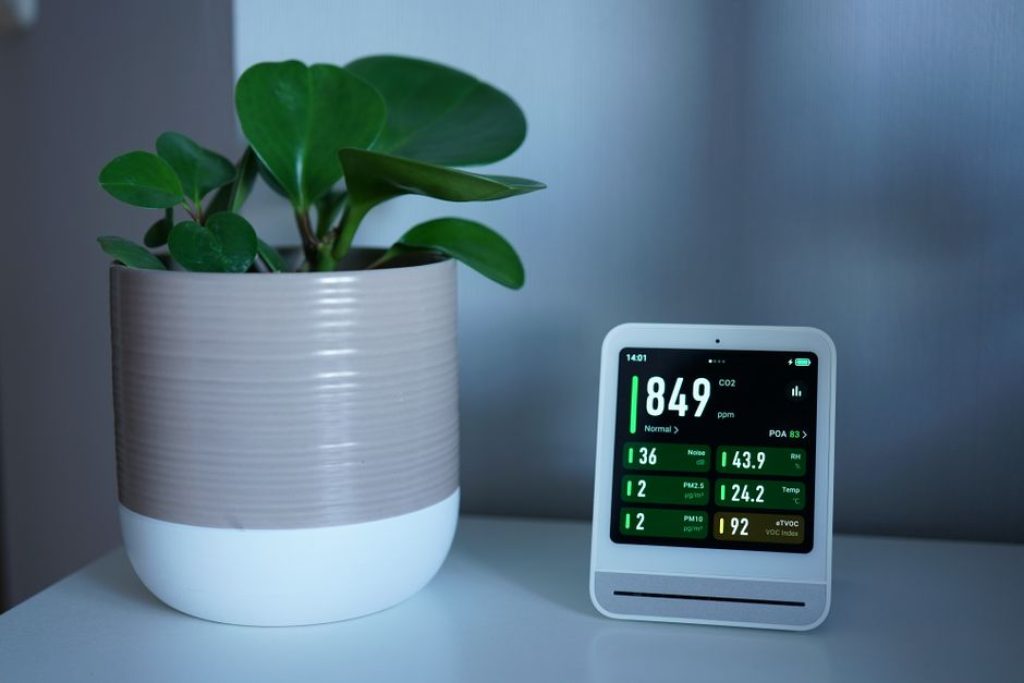
Use NDIR CO2, laser-based PM2.5 particle counter (real-time mass and counts), a tVOC/eCO2 sensor (proxy for gases), and a temperature/humidity probe. Choose units that log or export data; sample every 1–5 minutes for useful resolution.
-
Placement and logging duration
Place sensors at breathing height (1.0–1.5 m), in main living area and primary bedroom, and one outdoors for baseline. Keep sensors >1 m from stoves, vents, windows, and walls. Run continuous logging for 7 days (minimum 48–72 hours) to capture weekday/weekend patterns and routine activities.
-
Interpreting spikes versus background
Treat short, activity-linked peaks (cooking, cleaning, heavy occupancy) as spikes; compare to a rolling baseline median. Persistent elevation indicates a source or ventilation deficit. Practical thresholds: CO2 >800 ppm concern; PM2.5 24‑h >35 µg/m3 (short spikes >100 µg/m3 notable); RH outside 30–50% problematic; tVOC interpreted by relative rises, not absolute values.
Stop pollutants at the source
Practical, low-cost priorities
Focus first on actions that remove or prevent emissions rather than masking them.
- Stop indoor smoking. Eliminate smoking inside the home — outdoor smoking with doors and windows closed cuts indoor PM and tVOCs dramatically.
- Control moisture and leaks fast. Repair plumbing or roof leaks within 24–48 hours; dry wet materials within 48–72 hours to prevent mold growth. Remove water-damaged porous materials (insulation, drywall) when saturation is extensive.
- Isolate renovations. Seal work areas with 6‑mil plastic, use a zipper door, and run an exhaust fan to create negative pressure away from living spaces. Clean dust with a HEPA vacuum before removing barriers.
- Choose low‑VOC materials. Prefer paints, sealants, and adhesives labeled low‑VOC (typically <50 g/L) and avoid untested new vinyl flooring when possible.
- Use local exhaust during combustion and moisture events. Run range hoods vented outdoors (200–300 CFM ideal) when cooking; run bathroom fans (50–100 CFM) during and 20 minutes after showers.
These steps cost little but reduce particles, gases, and biological growth — the three main indoor risks. Reserve more intensive measures for confirmed or persistent problems.
Seek professional help if any of the following occur:
Visible mold over roughly 1 m² or recurring mold after cleanup Sewage backup, major floods, or structural water intrusion Suspected asbestos, lead, or chemical contamination Radon above the local action level (e.g., >4 pCi/L in the U.S.) Occupants with severe allergies, asthma, or immunocompromise and persistent symptomsProfessionals assess safety, remove hazardous materials, and address hidden contamination that DIY methods can worsen.
Choosing ventilation: windows, fans, or heat-recovery systems
Natural versus mechanical ventilation
Natural ventilation (opening windows, using window fans) is the simplest option when outdoor air is clean, temperatures and humidity are comfortable, and occupancy is intermittent. Mechanical ventilation (exhaust fans, dedicated supply, or balanced systems) is preferred when outdoor pollution, allergies, noise, or security make window opening impractical, or when steady ventilation is needed for dense occupancy.
CO2 as a performance metric
Use indoor CO2 as a proxy for ventilation per person. Treat CO2 < 800 ppm as a target for good ventilation; persistent values above 1,000 ppm indicate insufficient fresh-air exchange. Distinguish short spikes (cooking, gatherings) from sustained elevation by logging for 48–168 hours.
When HRV/ERV systems make sense
Install an HRV (heat-recovery ventilator) or ERV (energy-recovery ventilator) in airtight, energy-sensitive homes with long heating/cooling seasons or high occupancy. Choose ERV when humidity control matters (hot-humid or humid cold climates); choose HRV for cold, dry climates where heat recovery is primary. Prioritize balanced systems when CO2 logging shows chronic over 1,000 ppm despite source control.
Sizing and placing air purifiers
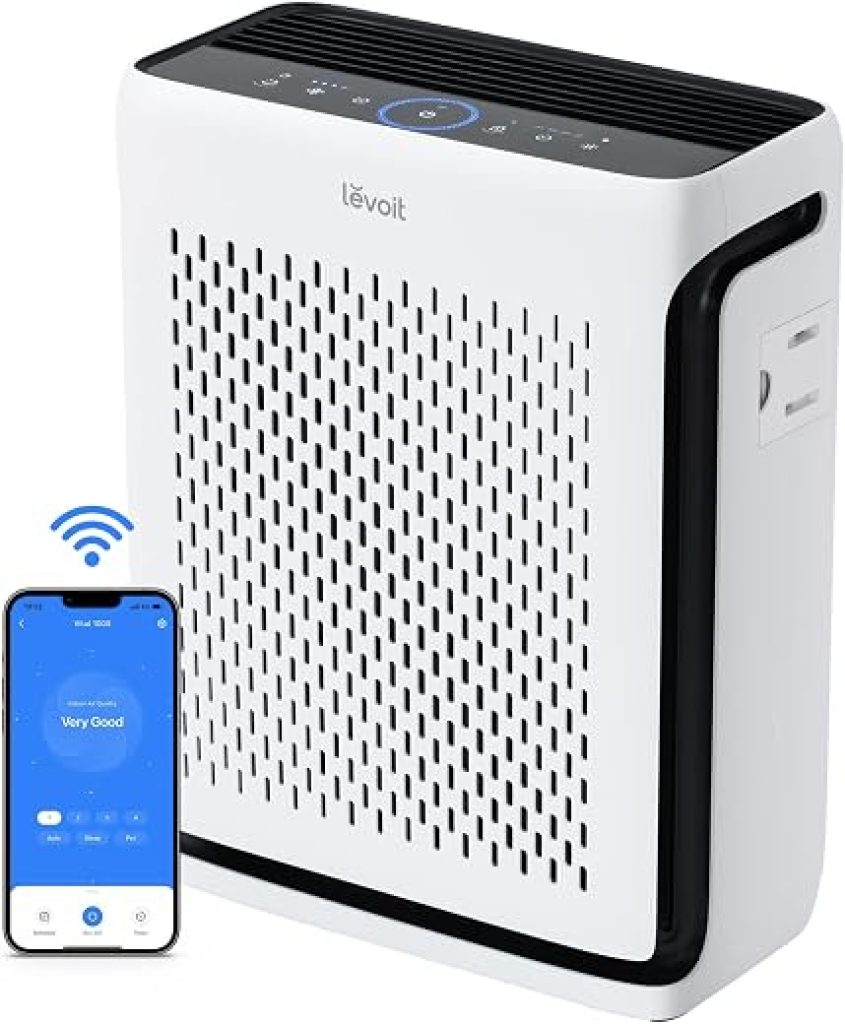
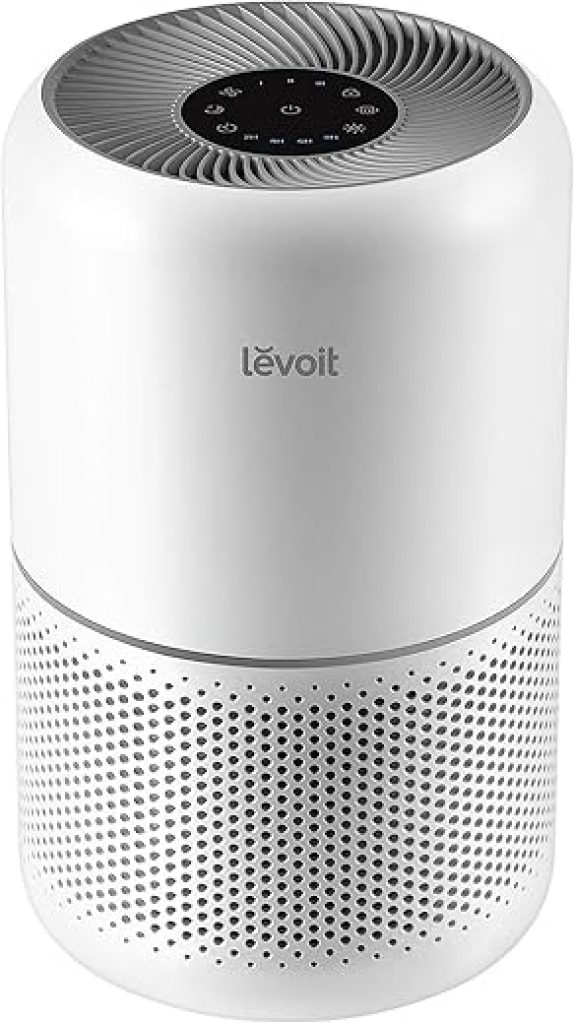
Calculate the CADR or ACH needed
Start with room volume (length × width × height). Use the formula: CADR (cfm) = room volume (ft³) × target ACH ÷ 60. Typical targets: 3–4 ACH for general comfort, 5–8 ACH for allergy/pet concerns, and 6–12 ACH for smoke or infection control. For an 12×15×8 ft room (1,440 ft³) a 5 ACH target needs 120 cfm CADR.
For open plans or unusual layouts, consult specific guidance on sizing for open-plan living rooms to choose an effective ACH and placement strategy.
Placement to avoid dead zones
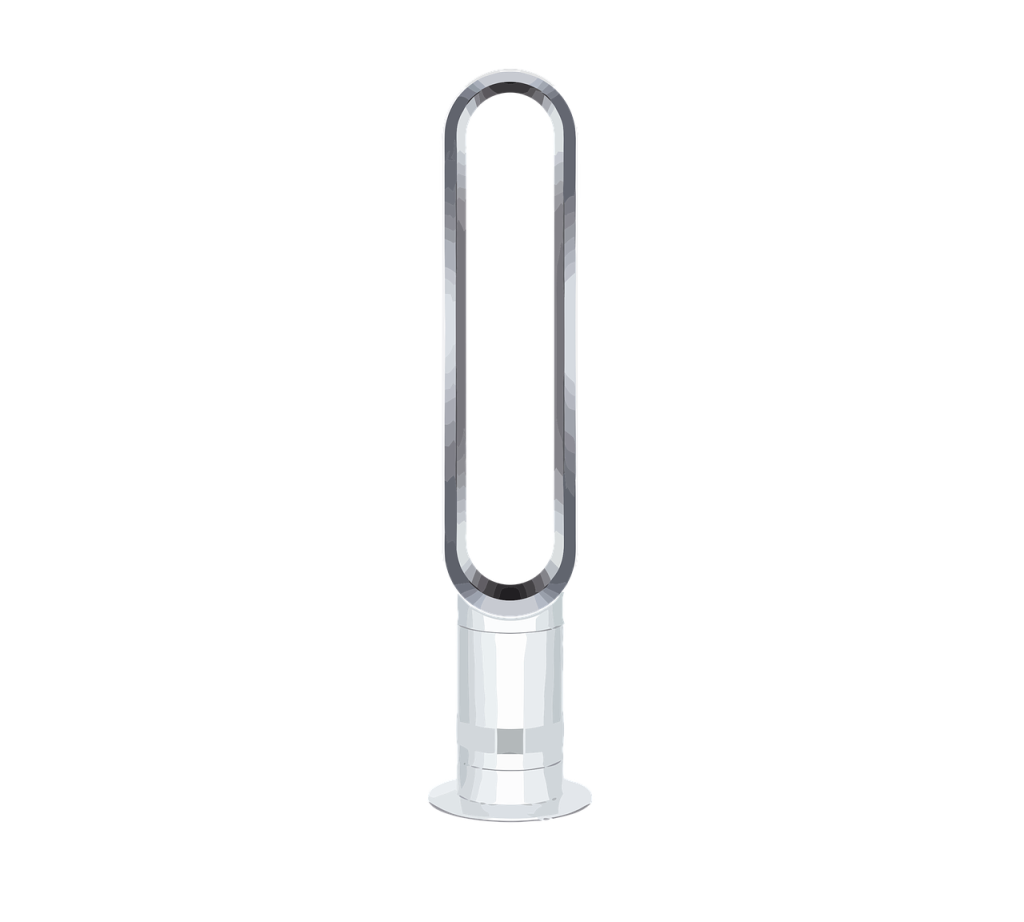
Place purifiers where air is stagnating or where pollutants originate: near cooking areas, pet beds, or the room’s seating. Keep intakes and outlets at least 2–3 ft from walls and avoid enclosing a unit in a bookshelf or behind curtains. Elevate small units off the floor (1–3 ft) to improve mixing. Aim for one purifier per distinct airflow zone rather than crowding a single corner.
One unit or several?
Multiple smaller units typically produce more uniform mixing and redundancy than one large unit, and they reduce dead zones. Two units each providing half the required CADR often outperform one unit of equal total CADR because distributed flow mixes air more effectively.
Cost of under-sizing
Undersized purifiers leave persistent pollutant loads, force units to run at high (noisy) speeds, shorten filter life, and increase health risk. Oversize modestly (20–30%) to allow for filter aging and occasional spikes.
For pet-specific filter recommendations and model picks, see the roundup on purifiers that reduce pet dander and odors; for low-cost options, see reliable budget purifiers under $100.
An under-sized purifier may halve expected particle reductions and require constant high-speed operation—leading to higher noise, more frequent filter replacements, and ongoing exposure. Treat CADR calculations as minimum requirements, not optional targets.
Filters and upkeep: what to buy and how to keep them working
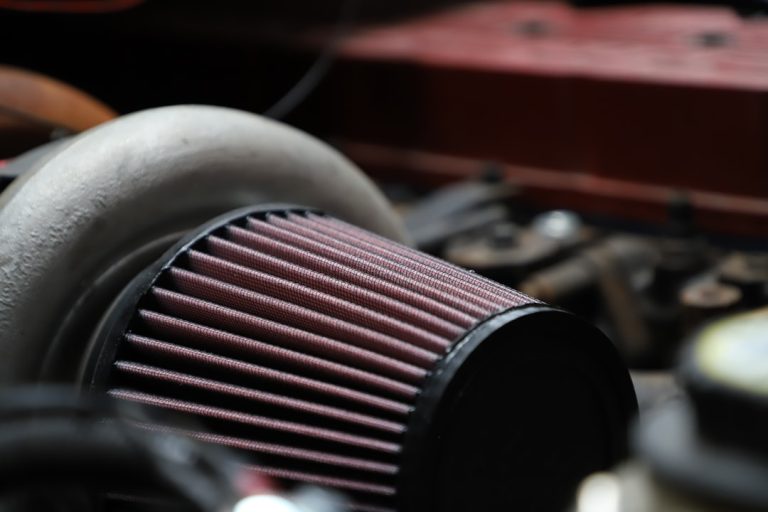
Start by matching media to the problem: true HEPA captures ≥99.97% of 0.3 µm particles and is the choice for particle control; HEPA‑style or “HEPA‑type” is lower-efficiency and not equivalent. Activated carbon adsorbs gases and odors but has finite capacity. For central HVAC, choose filters by MERV: MERV 6–8 for basic dust, MERV 11–13 for allergy/particle control (check system compatibility).
Routine maintenance rules
- Visually inspect filters monthly for dust cake, visible sagging, or darkening. A thin even dust layer is normal; a thick, textured buildup indicates replacement.
- Track airflow and sound: reduced flow or louder fan noise often signals loading. Use PM2.5 sensor trends—if baseline particle levels rise despite normal operation, the filter is likely clogged.
- Replace on use cues rather than calendar alone; typical ranges: portable HEPA purifiers 6–12 months, activated carbon 3–12 months depending on odor load, HVAC filters 1–6 months depending on MERV and household pets/smoking.
For specific HEPA replacement timing and clogging indicators, consult the detailed HEPA maintenance guidance.
Simple care: always install with correct orientation, reseal gaskets, and keep prefilters clean to extend service life.
Check filters monthly for heavy dust or odors.
Note any persistent PM2.5 rise on monitors.
Replace when airflow, noise, or sensor data indicate loss of function.
Quick Q&A: immediate steps for episodic events
Post-renovation or fresh paint—what first?
Maximize ventilation, run a purifier with activated carbon, remove leftover solvents and keep RH 30–50%; log tVOC spikes to confirm decline. See the detailed explainer on removing VOCs after renovation for purifier and carbon recommendations.
Wildfire smoke outside but windows must stay closed—what now?
Seal obvious leaks, run one or more HEPA purifiers on high and recirculate HVAC with a clean filter; avoid activities that generate indoor particles. For choosing the best filter in this scenario consult the guide to filters for wildfire smoke.
Sudden pet odors or dander spikes—fast actions?
Isolate the source room, launder bedding, vacuum with a HEPA machine and run a purifier with carbon to cut odors while monitoring PM2.5. Repeat cleaning cycles until sensors show return to baseline.
A sick visitor is present—how to reduce transmission risk quickly?
Place the visitor in one ventilated room, run a portable HEPA unit in-room and encourage mask use; increase outdoor air if possible and track CO2 to verify ventilation gains. Prioritize short distancing and avoid shared bedrooms.
Affordable option: a box fan with a MERV‑13 filter can lower particles rapidly but lacks certified CADR and offers limited gas removal. Consider this when budgets constrain buying a HEPA unit; follow these precautions:
Mount filter securely and avoid high fan speeds that stress the motor. Use in short runs for particle reduction, then switch to a HEPA+carbon solution for odors or VOCs.More on practicality and limits in the alternatives discussion: box fan plus MERV filter effectiveness.
Verify results and lock gains
- Measure first, then act.
- Fix persistent sources before upgrading systems.
- Keep a simple maintenance and retest cadence.
Measure at one and three months using the same sensors and locations; compare logs to targets (CO2 <800 ppm, PM2.5 <12 µg/m3, RH 30–50%). If results lag, prioritize source elimination, boost ventilation or purification, and engage a professional for persistent mold or VOCs. Maintain filters monthly and log purifier runtime.
6‑Step Weekend Checklist
-
Record baseline
48‑hour CO2, PM2.5, tVOC, T/RH logs in main rooms.
-
Stop major sources
Eliminate smoking, use hood while cooking, store chemicals outdoors.
-
Increase ventilation
Run exhaust/hood and open windows when outdoor air is good.
-
Run HEPA purifiers
Use sized units on high for 24–48 hours; avoid blocking intakes.
-
Replace clogged filters
Swap HVAC and purifier filters now if visibly dirty; note dates.
-
Budget and schedule
List fixes vs upgrades; set 1‑ and 3‑month retests and book a pro if needed.