Fresh paint can leave a chemical haze — acting fast cuts health risks.
A homeowner stands in a newly painted living room: sharp solvent smell, pounding headache, eyes watering and a child complaining of nausea. Those immediate symptoms are common when VOCs (volatile organic compounds) spike after painting or renovation. The situation is time-sensitive — concentration often falls with ventilation over days, but short-term exposure can be unpleasant or harmful.
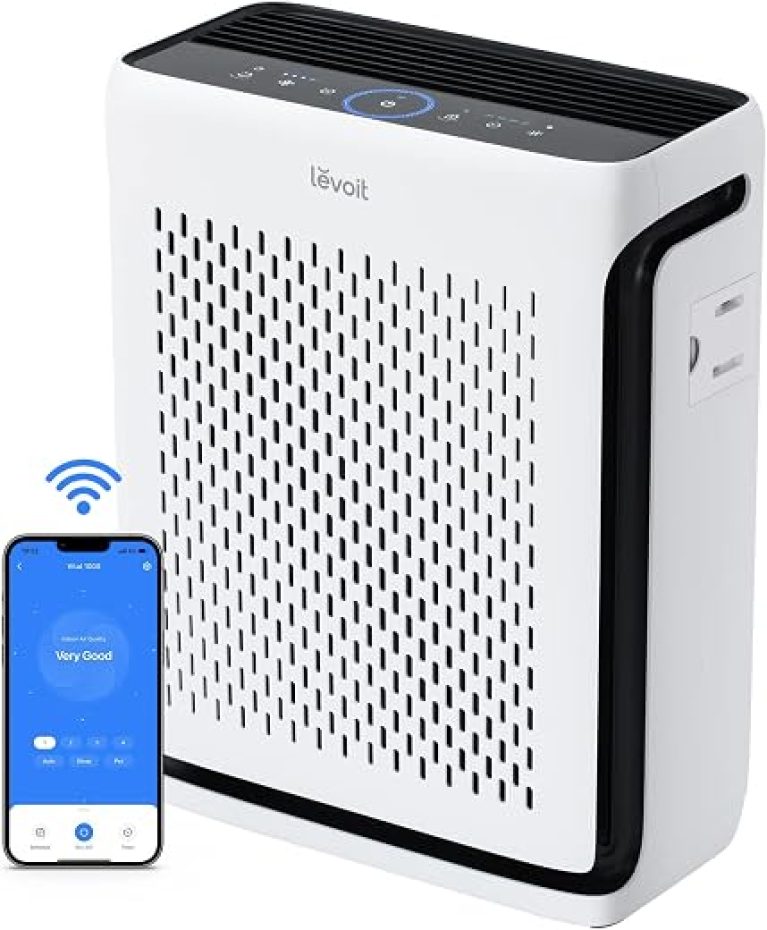
Buying an air purifier is a common instinct, but it is NOT a guaranteed fix. Many popular units use HEPA to trap particles but do not remove gaseous VOCs; a unit with activated carbon or other gas-phase media is required. For broader strategies on reducing indoor contaminants and ventilation, see improving indoor air quality.
- VOCs typically peak within 24–72 hours after painting.
- HEPA filters remove particles; activated carbon or chemisorption removes VOCs.
Which VOCs appear after painting and renovation—and how they behave
- Formaldehyde
Emitted from new composite wood (plywood, MDF), certain adhesives, some paints and finishes; it’s a common irritant and a known respiratory sensitizer with measurable long‑term off‑gassing.
- Aromatic solvents (toluene, xylene)
Found in oil‑based paints, primers and solvent‑borne products; these cause acute symptoms (headache, dizziness) and typically peak quickly then decline as the solvent evaporates.
- Other solvents and adhesives (ketones, esters, alcohols)
Compounds such as MEK, acetone and esters come from sealants, adhesives and multipurpose solvents; they usually produce a sharp early spike in concentration during and just after application.
- Additives and semi‑volatile compounds
Plasticizers, biocides and some resin breakdown products from varnishes and finishes are less volatile but can persist as semi‑volatile organic compounds (SVOCs), contributing to a long low‑level exposure.
- Emission profile: spike then tail
Most renovation VOCs show an initial high concentration for hours–days, followed by a long declining tail that can last weeks to years depending on material, temperature and ventilation.
Smell thresholds differ from health thresholds — some VOCs are noticeable at levels far below harmful concentrations, while others (like low‑level formaldehyde) can cause harm before being obvious by smell.
A fading paint smell does not guarantee removal of all hazardous compounds. Rely on ventilation, time, and measurements (PID meters or compound‑specific tests) rather than odor alone to judge safety.Consider targeted testing for formaldehyde and persistent SVOCs if occupants are sensitive or if renovations used composite wood, oil‑based products, or heavy adhesives.
How common cleaners actually handle gases
Air-cleaning technologies differ radically in how they treat gases.
- HEPA filters capture particles only. They do not remove VOC molecules from air; any reduction in smell is from particle-bound compounds or dilution.
- Activated carbon (adsorption) traps many VOCs on a porous surface. Effectiveness depends on: contact time (fast airflows reduce capture), amount and quality of carbon (impregnated carbons target specific chemicals), and media loading (saturation leads to breakthrough and loss of performance). Carbon cartridges require replacement or regeneration.
- Catalytic/PCO/UV systems aim to oxidize VOCs into simpler compounds. Real-world outcomes vary: some catalysts convert VOCs to harmless products, others produce partial oxidation byproducts (e.g., formaldehyde, acetaldehyde). Performance is highly dependent on catalyst type, light intensity, humidity, and residence time.
- Ozone generators produce ozone that reacts with VOCs but also forms harmful secondary pollutants (formaldehyde, ultrafine particles). Ozone use for indoor air cleaning is not recommended.
Common limitations:
- Insufficient contact time and high air change rates limit gas removal.
- Manufacturers often report particle CADR (irrelevant for gases) or idealized lab removal percentages without specifying compounds or airflow.
- Claims of “permanent” media or “removes all VOCs” are misleading; adsorption is chemical-specific and finite.
Look for independent test data on specific VOCs, stated carbon mass and replacement intervals, and avoid ozone-based devices.
Ozone generators may reduce odors short-term but create harmful byproducts and respiratory risk. Choose adsorption or tested catalytic systems with independent VOC removal data.
Evidence standards and measurement methods
This review prioritized peer-reviewed chamber studies that report specific VOC species and real-world indoor studies measuring total VOC (TVOC) decay after renovation. Preference was given to trials using activated-carbon filters and reporting decay half-lives or percent removal.
-
Why chamber tests useful
Controlled chambers isolate sorption/adsorption mechanisms and filter performance, but they use higher concentrations, simplified airflow, and few furnishing surfaces—so results often overestimate short-term removal in lived spaces.
-
Why occupied-space studies matter
Homes show slower decay because of off-gassing, variable ventilation, and re‑emission; long-term concentration time series and integrated exposure (AUC) better indicate health risk.
-
Credible measurement methods
Gas chromatography–mass spectrometry or sorbent-tube analysis for speciated VOCs, plus calibrated PID/FID for TVOC with stated detection limits, were required to accept results.
How purifiers actually performed on renovation VOCs
Laboratory and field studies show a clear pattern: activated carbon removes many renovation VOCs, but performance depends on media type, mass, and contact time. Simple thin carbon layers used in many consumer units often reduce odor temporarily but reach breakthrough quickly under the high loads produced by painting or sanding.
Two media factors matter most: bed depth and impregnation. Deeper packed beds (several centimetres of carbon) and larger total carbon mass provide longer life because they increase residence time and adsorption capacity. For polar or reactive gases such as formaldehyde, ammonia, and some short-chain aldehydes, plain carbon is often insufficient; impregnated carbon or chemisorptive materials (metal oxides, permanganate-treated media, or dedicated formaldehyde scavengers) are required.
Saturation risk is real during renovation: high emission rates can exhaust consumer cartridges in hours to days. Indicators of saturation include return of odor, rising speciated VOC concentrations, or noticeably reduced removal rates in instrument tests. Replacement schedules should be conservative when renovation is ongoing.
Oxidative and photocatalytic systems can degrade VOCs but carry byproduct risks. Incomplete oxidation can form smaller aldehydes (including formaldehyde), organic acids, or ozone if the device generates or leaks oxidants. Only systems with independent, peer-reviewed testing showing speciation before/after treatment should be trusted for renovation VOCs.
Practical takeaway: choose units with substantial replaceable carbon, look for impregnation for formaldehyde, and avoid untested oxidation devices during and immediately after renovation.
Use purifiers with large, replaceable carbon cartridges during renovations.
Prefer impregnated media for formaldehyde and polar gases.
Replace or weigh cartridges frequently if emissions are high.
Avoid ozone‑producing or unverified oxidative devices; they can create hazardous byproducts.
Checklist: choose a purifier for post‑renovation VOCs
-
Carbon mass and typeEffective VOC capture depends on the amount and form of activated carbon. Prefer thick granular or pelletized beds, and specialty impregnations (e.g., for formaldehyde) when specific compounds are a concern.Look forHundreds of grams of granular/impregnated carbon; bed thickness specified.AvoidThin coated pads or vague "carbon layer" claims with no mass spec.
-
Airflow versus contact timeHigher CADR moves air faster but shortens residence time on the carbon bed; a moderate airflow with a deep carbon bed often removes more VOC mass over time than a high‑flow, low‑carbon unit.Look forBalanced spec: room CADR plus carbon grams/bed depth to infer contact time.AvoidEmphasis solely on high CADR without carbon specifications.
-
Independent VOC test dataRely on third‑party chamber or field tests that report speciated VOC decay curves and breakthrough times rather than broad "VOC removal" percentages.Look forLab reports with speciated VOC reductions, test methods, and breakthrough times.AvoidMarketing claims without methods or only particle‑based testing (HEPA results).
-
Avoid ozone or oxidizing generatorsOzone and some oxidative technologies create harmful byproducts and can worsen indoor chemistry after renovation; regulatory approvals and no‑ozone proof are critical.Look forExplicit no‑ozone generation, CARB/ETL/CETL or equivalent safety listings.AvoidDevices marketed as ozone, plasma, or "oxidative" air cleaners.
Stepwise protocol after painting or renovation
-
Source control
Remove rags, cover or seal remaining liquids and adhesives, and isolate freshly coated materials; ongoing emissions are the primary driver of early peaks.
-
Aggressive initial ventilation
Create continuous cross-flow with open windows and window or box fans to exchange indoor air; where safe, set up one fan to exhaust and one to supply to avoid spreading contamination to other areas.
-
High-carbon purifier near source (24–72 hours)
Place a purifier with a deep, tested activated carbon bed within 1–3 m of the painted surface and run on highest fan speed continuously for at least 24 hours—extend to 72 hours for large jobs or slow-offgassing materials.
-
Taper operation and continue ventilation
After initial period, reduce purifier to medium and keep intermittent ventilation for 1–2 weeks; maintain continuous purifier use if multiple rooms or persistent odors appear.
-
Monitor and final actions
Measure VOCs with a calibrated meter or arrange professional testing rather than relying on smell; replace or regenerate carbon if breakthrough occurs or manufacturer hours are exceeded.
Recognizing exhausted sorbent media
Exhausted sorbent media stops reducing gas concentrations; recognition relies on both performance cues and instruments. Practical signs: return of odor, TVOC or specific‑VOC readings stop declining or begin rising, or no further improvement despite continuous operation. Check airflow first—a clogged prefilter can mimic exhaustion.
Realistic lifetimes under heavy loads vary. Small consumer carbon cartridges used during painting can saturate in 24–72 hours of continuous exposure. Deep‑bed units with kilograms of activated carbon can last weeks to months; high VOC concentrations, humidity, and dust shorten service life.
HEPA filters remove sanding and paint particles but do not adsorb gases—maintain HEPA for particle control and to prevent dust loading on sorbents.
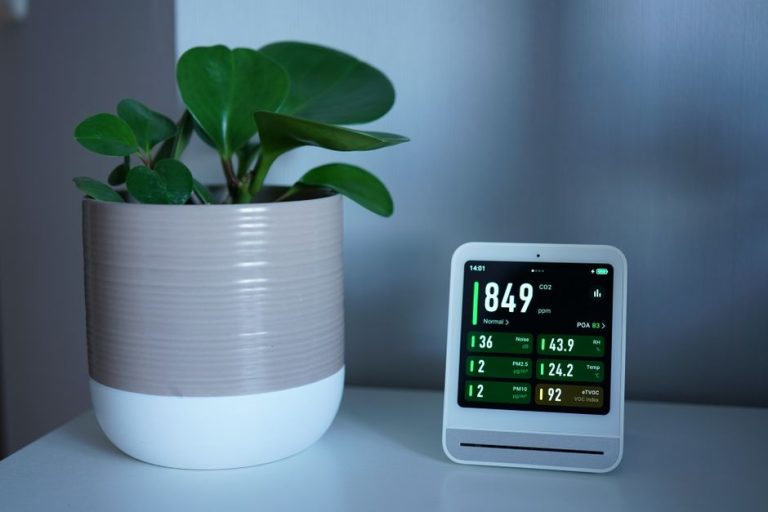
Monitor progress with a handheld TVOC meter for trends and use lab or PID‑specific VOC tests for formaldehyde and solvents when precise values matter. Replace or upgrade when TVOC readings plateau, specific VOCs stay above guidelines, odors return, or equipment cannot keep concentrations down; consult an industrial hygienist for persistent high levels.
Use a handheld TVOC meter to log hourly/daily trends.
Replace carbon when decay stalls or odors reappear.
For formaldehyde or persistent high readings, arrange lab sampling or professional assessment.
Common questions and misconceptions
Does HEPA filtration remove VOCs?
No. HEPA filters trap particles, not gas‑phase molecules, so they do not remove most VOCs. Effective gas removal requires sorbents such as deep activated carbon sized for the contaminant load and sufficient contact time.
Are ozone generators effective or safe for post‑renovation VOCs?
No. Ozone can react with VOCs but the concentrations needed exceed health standards and generate harmful byproducts like formaldehyde and ultrafine particles. Major health agencies advise against ozone devices in occupied spaces.
Can smell be used to judge safety?
No. Odor thresholds differ across compounds and some hazardous VOCs are odorless, so absence of smell is not a safety guarantee. Reliable assessment requires measurements or conservative ventilation and filtration.
Is opening windows alone sufficient?
Ventilation dilutes VOCs quickly and is the first, cheapest control, but effectiveness depends on outdoor air quality and weather. For heavy emissions, combine ventilation with a high‑carbon purifier to capture gases ventilation leaves behind.
Prioritized checklist
- Source control: isolate area; remove or seal wet materials.
- Ventilate: open windows, run fans and exhaust for 24–72 hours.
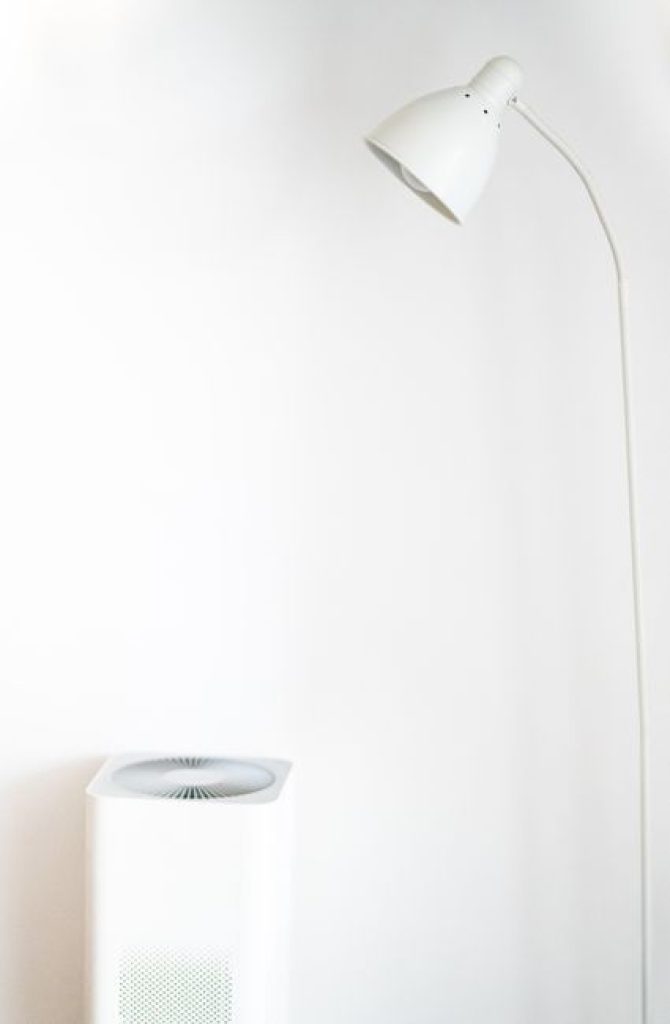
- Run high‑airflow purifier with deep activated carbon continuously after work finishes.
Priority: ventilation, source control and high‑carbon adsorption; monitor—smell unreliable.