When smoke closes in, pick the filter/device that clears indoor air fastest.
Windows closed, orange sky, smoke seeping under doors — this is an emergency: fine particles (PM2.5) are the immediate threat to lungs and heart. Choose devices that remove PM2.5 quickly: true HEPA or a high-efficiency filter on a box fan. Size the device to the room: aim for an air changes per hour (ACH) of 4–6. Run continuously on high until outdoor levels fall; seal gaps and recirculate HVAC if it has a MERV 13+ filter. Consider noise and electricity for hours-long operation.
- Box fan + MERV13 filter — ~200 CADR (small rooms), low cost
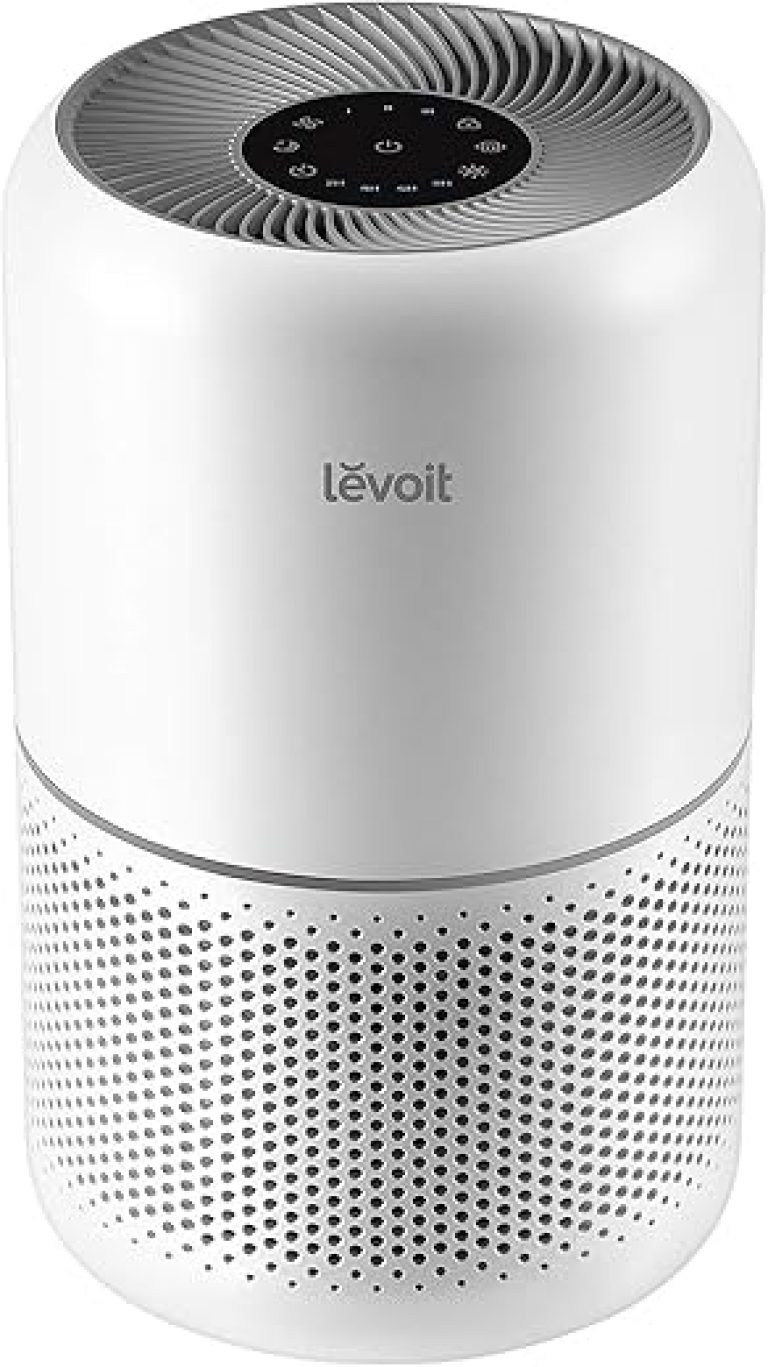
- Portable true HEPA purifier — 250–350 CADR, quieter and more effective
What wildfire smoke is — and what filters can remove
What wildfire smoke contains and why it matters
Wildfire smoke is a cocktail of solid and liquid particles plus gases: fine particulate matter (PM2.5), ultrafine particles (<0.1 µm), volatile organic compounds (VOCs), acrolein/formaldehyde, and combustion gases. Health risks track composition—particles penetrate deep into lungs and bloodstream, gases cause irritation and systemic toxicity.
How filters work:
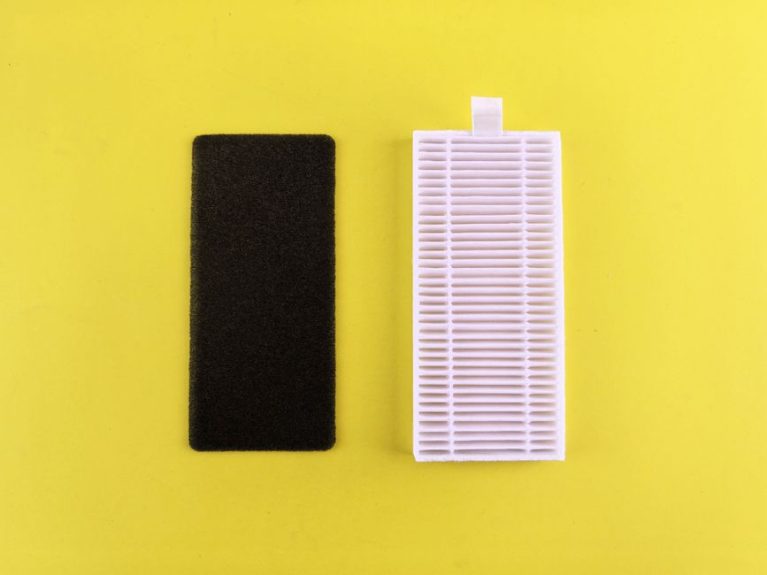
- Mechanical filtration (HEPA/MERV) — HEPA captures ≥99.97% of 0.3 µm and removes smaller particles by diffusion, interception, and impaction. This is the primary defense against PM2.5 and ultrafine particles.
- Activated carbon adsorption — Carbon beds adsorb many VOCs and odors; effectiveness depends on carbon mass, surface area, and contact time. Carbon does not reliably remove all gases (for example, carbon won’t remove carbon monoxide effectively).
For comprehensive protection, pair a true HEPA filter with sufficient activated carbon if odors or irritating gases are present; check carbon quantity and replacement schedule.
What metrics actually matter
Strip away vague marketing. Focus on measurable performance: filtration standard, clean-air delivery, and airflow; those three determine how fast smoke clears, not labels.
-
True HEPA vs MERV
True HEPA captures ≥99.97% at 0.3 µm; MERV13 removes most PM2.5 but varies by build—well-sealed box-fan + MERV13 can approach HEPA in practice.
-
CADR and room sizing
Choose CADR to hit 4–6 ACH for the room; higher CADR clears smoke faster. See choosing the right CADR for smoke for calculation steps.
-
Balance efficiency and airflow
Very tight media increases pressure drop; if airflow collapses, net particle removal falls. Prefer measured CADR and independent lab tests; consider multiple units for better room mixing.
Practical rankings: which filter to pick when windows stay shut
Ranked choices and when to use them
1) Portable true HEPA purifier — best single-room solution. Recommended when occupancy is concentrated (bedroom, living room). Choose a unit with CADR sized for the room to reach ~4–6 ACH. Pros: consistent particle removal, simple setup, often quiet. Cons: limited to the room where it runs.
2) Whole-house HVAC with MERV13+ — best for whole-home protection if compatible. Use when the HVAC fan can handle higher-efficiency media and the system can sustain enough airflow. Pros: protects all occupied rooms without multiple units. Cons: many older systems need a higher-capacity fan or retrofit; confirm compatibility before upgrading filters.
3) DIY box-fan + MERV setup — low-cost interim option. Useful when budget or speed matters, or to supplement a purifier. Expect lower sealing and shorter filter life; place the filter securely against the intake and run the fan on a lower speed to preserve filter life. See practical tests and setup tips at do box fan filters work for wildfire smoke.
When to add activated carbon
Add activated carbon or other sorbents when smoke carries strong odors or VOCs. Best practice: combine true HEPA (or MERV for airflow) with a carbon stage upstream. Note that carbon capacity is finite—replace or recharge according to manufacturer guidance. For tight budgets, prioritize particle filtration first, then add carbon if odors or gas-phase contaminants are noticeable.
Quick checklist to pick and size a smoke filter
-
Measure the room and set target ACH
Calculate room volume (ft³ = length × width × height). Aim for 4–6 ACH during smoke events and convert to CADR: CADR (cfm) = volume × ACH ÷ 60. If unsure, choose a unit with CADR toward the higher end of the 200–350 range for typical living rooms.
-
Choose minimum filter ratings
For particles, choose true HEPA certified filters or a MERV13+ filter where HVAC compatibility is confirmed. Box-fan + MERV13 is an acceptable low-cost interim option but verify filter fit and gasketed sealing.
-
Add activated carbon when gases or odors matter
Select a unit or filter module with a substantial activated-carbon bed if smoke smells or volatile organics are noticeable. More carbon plus thicker beds improve adsorptive capacity and longevity.
-
Balance noise, power, and operating cost
Higher fan speeds raise CADR but also noise and watts. Compare multi-speed noise specs, wattage, and expected filter life to estimate monthly electricity and replacement costs before buying.
-
Plan replacement cadence and whole-house strategy
Expect heavy-smoke use to shorten HEPA/carbon life—inspect and replace filters sooner (often 1–3 months under heavy smoke). For multiple rooms, deploy several properly sized portables rather than one undersized unit; consider an HVAC upgrade to MERV13+ only after confirming blower capacity and filter fit.
Common myths and simple fixes
Use certified True HEPA for room units; use MERV13+ in HVAC if compatible.
MERV ratings do not match HEPA capture of ultrafine particles and can restrict airflow.
Avoid excessive resistance; prioritize CADR and ACH over pleat density.
Too much resistance reduces airflow and lowers real-world particle removal rates.
Add carbon for odors and VOCs but pair it with True HEPA for particles.
Wildfire health risks are mainly PM2.5; carbon helps gases/odors but not fine particles.
Keep windows closed during heavy smoke; use filtered ventilation or recirculation.
Outdoor PM spikes can rapidly raise indoor concentrations when windows are opened.
Operational playbook for wildfire smoke events
Placement and airflow
Place portable HEPA or box-fan units in the rooms used most—typically the bedroom and main living area. Keep intakes and outlets unobstructed (no curtains, furniture, or walls within a foot). For larger spaces, run two smaller units spaced apart rather than one underpowered unit.
Runtime to meet CADR targets
Run cleaners continuously at the fan speed that delivers the CADR needed for 4–6 ACH; intermittent use defeats the hourly-average goal. If noise is limiting, lower speed only after confirming ACH remains adequate.
Sealing and HVAC integration
Close windows and interior doors, seal obvious gaps with weatherstrip or towel, and set HVAC to recirculate (fan on). Use a MERV13+ HVAC filter if the system supports it, and pair the whole-house filter with portable HEPA units in occupied rooms for highest protection.
Filter care during heavy smoke
Inspect prefilters and HEPA elements weekly during intense smoke. Replace or clean prefilters when visibly loaded; expect HEPA or carbon filters to need replacement far sooner than normal—sometimes monthly in prolonged events. For more maintenance detail, consult keeping HEPA filters effective during heavy smoke.
Quick calc: Required CADR ≈ room volume (ft³) × desired ACH ÷ 60. Run the fan speed that meets that CADR continuously during smoke events.
Immediate choices: box fans, carbon, HVAC limits, and health monitoring
Is a box fan with a MERV13 filter acceptable for smoke?
Yes. A taped MERV13 filter on a box fan is an effective, low‑cost short‑term purifier if edges are sealed and the fan runs continuously. Use fans with fused plugs and avoid overloading weak motors.
When should activated carbon be added?
Add carbon when odors or gas‑phase irritants are noticeable or local advisories mention VOCs/SO2. Carbon removes gases, not particles, so always pair it with HEPA or high‑MERV filtration and choose products with specified carbon loading.
What if the HVAC system can't handle MERV13?
Keep the highest MERV the system safely supports and run it continuously. Supplement with portable HEPA units in occupied rooms sized for 4–6 ACH, or fit sealed filter boxes on returns after consulting an HVAC pro.
How should high‑risk people monitor health during smoke events?
Track indoor PM2.5 and symptoms, follow local AQI, and consider using a pulse oximeter during smoke exposure to watch oxygen saturation. Seek medical care for worsening breathlessness or documented drops in SpO2.
How often should filters be replaced during heavy smoke?
Inspect filters visually and by airflow; pleated disposables often need replacement every 1–3 weeks, prefilters weekly, and carbon when odors return. Replace sooner if pressure drop increases or room airflow falls.
Immediate checklist to reduce smoke exposure
- Close and seal: shut all windows/doors, block gaps with tape or damp towels; pick one interior room as a shelter.
- Run a room-sized HEPA continuously: target 4–6 ACH — typical bedrooms need CADR ~200–350. Keep it on high until air clears.
- If using HVAC, set fan to ON/recirculate and install MERV13+ if compatible; do not rely on fresh-air mode during smoke events.
Act fast and keep filters running. Close and seal a single room, then run a true HEPA sized for 4–6 ACH (CADR ≈200–350 for many rooms) continuously. Add activated carbon if odors or gases are noticeable, replace filters more often during heavy smoke, and monitor indoor PM2.5 and health—relocate if symptoms worsen.