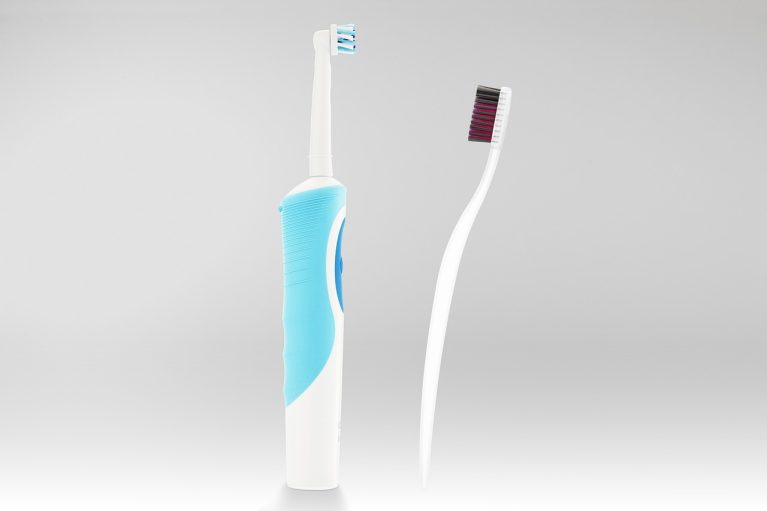
Gentle power: the right electric toothbrush can stop bleeding and pain.
The sight of a pink streak in the sink after brushing, or a sudden sting along the gum line, is enough to make anyone pause mid-routine. Many sensitive-gum complaints come from heavy pressure, stiff bristles, or aggressive technique; switching to a powered brush with a soft head and a low-pressure gum mode reduces trauma while delivering measurably better plaque removal.
Look for features dentists recommend — pressure sensors, multiple intensity settings, gum-care or ‘sensitive’ modes, and replaceable soft brush heads. The following picks balance clinical performance with gentle handling so bleeding and soreness can resolve without sacrificing oral health.
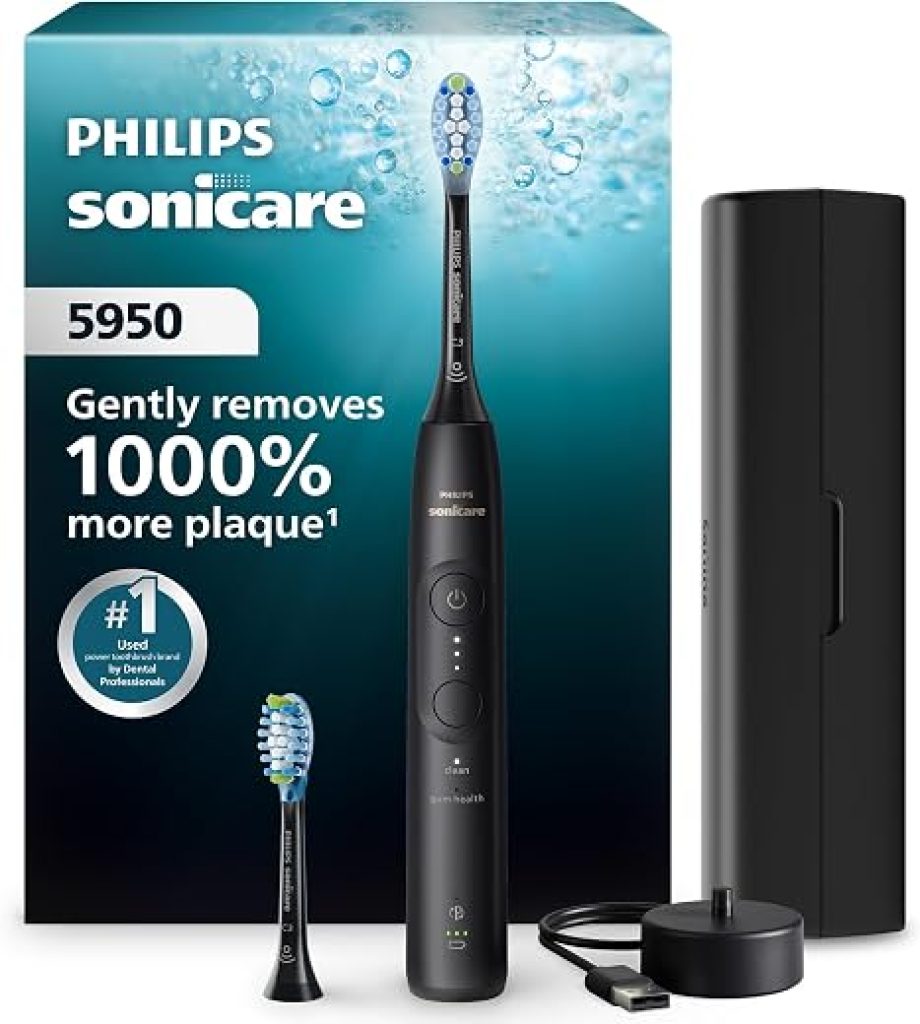
- Sonicare 5950 — top pick: pressure sensor, dedicated 'Gum Care' mode.
- ProtectiveClean 5300 — best value: effective gum mode, soft heads.
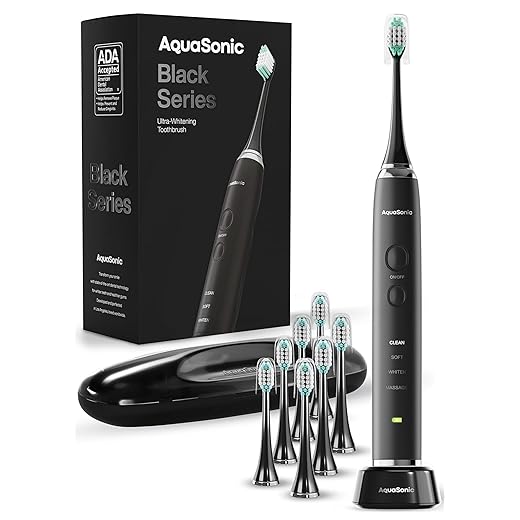
- Aquasonic Black — premium whitening with gentle intensity settings.
Quick picks — Best for sensitive gums



Checklist: features that lower gum irritation
-
Bristle and head designVery soft, tapered bristles and a compact head reach the gum line and clean without scraping delicate tissue. Smaller heads reduce accidental pressure on molar gums.Look forVery soft, tapered bristles; small/oval headAvoidFirm or medium bristles; oversized heads
-
Gentle modes and adjustable speedDedicated 'sensitive' or low-intensity modes let the brush remove plaque without high‑frequency vibration; adjustable intensity helps tailor comfort. Mode presets are helpful for nontechnical users.Look forSensitive/low mode and multiple intensity settingsAvoidSingle high‑speed mode only
-
Pressure feedback and motion typeA pressure sensor or soft‑stop prevents over‑brushing and immediate damage; sonic sweeping motions tend to be gentler on inflamed gums than aggressive oscillation. Feedback reduces unconscious force.Look forPressure sensor/soft‑stop; sonic/linear sweeping actionAvoidNo feedback; forceful oscillation without soft settings
-
Timers, head compatibility, and battery trade-offsTwo‑minute timers with 30‑second pacers promote short, even strokes and less gum stress; replaceable soft heads expand gentle options. Note trade-offs: long sealed batteries or premium motors can limit head choices or raise replacement cost (see battery life and replacement recommendations).Look for2‑minute timer/pacer; replaceable soft heads; clear battery/replacement infoAvoidNo pacer; nonreplaceable heads; vague battery specs
How the brushes were tested
A concise, hands-on timeline prioritized comfort and gum irritation above whitening or polish. Real-user experience and measurable tissue response drove the scoring.
-
Baseline screening
Medical history, gum-sensitivity screening, and a short habit survey established each tester’s starting gingival condition and brushing routine.
-
Two-week daily trial
Each brush was used twice daily for 14 days; testers logged pain, bleeding, and comfort after every session to capture consistent irritation patterns.
-
Objective scoring and dental review
Dentist-reviewed gingival index, photos, and pressure-sensor data were combined; gum-irritation metrics received 60% weight, while cosmetic effects remained secondary.
Panel: 20 testers with reported sensitivity; protocols reviewed by a dental consultant.
Gentle sonic cleaning for tender gums
01
Pressure sensor and gentle modes for gums
A premium Sonicare built around gentle sonic motion and a soft brush platform, tuned specifically for people with inflamed, receding, or otherwise sensitive gum tissue. Suits users who need an effective clean without aggressive scrubbing and who value guided feedback that helps prevent overbrushing.
- Low-intensity sonic action for effective yet gentle plaque removal
- Soft-profile replacement heads reduce bristle trauma on delicate tissue
- Accurate pressure sensor provides immediate feedback to stop overbrushing
- Multiple gum-care modes let users pick a milder program
- Long runtime and travel case for convenience
- Higher upfront price (~$90) than basic oscillating brushes
- Replacement heads are pricier over time
- Smart features add complexity some users may not need
Why it matters: The 5950’s sonic motion is tuned lower than performance‑first models, producing effective fluid dynamics to dislodge plaque without aggressive bristle pressure — important for inflamed or receding gums that bruise or bleed easily. Soft‑profile heads further reduce mechanical trauma, and the pressure sensor gives clear, immediate feedback to stop harmful scrubbing. Trade‑offs: this gentleness comes with a higher upfront cost and replacement heads that add to long‑term ownership expense. For those prioritizing gum health, the clinical benefits justify the price; budget‑minded users should compare value alternatives.
Gum care with multiple modes
Midrange gum‑care workhorse. The Philips Sonicare ProtectiveClean 5300 suits readers who want clinical-level protection for tender gums without a premium price—pressure sensing, a dedicated Gum Care program and adjustable intensity let users dial in a gentler clean while keeping costs near the value tier.
- Dedicated Gum Care mode for gentler brushing
- Pressure sensor prevents overbrushing
- Three intensity settings for fine tuning
- Includes two brush heads and travel case
- Good price-to-features ratio (~$75)
- Not as refined as the 5950’s ultra‑soft head options
- No advanced app connectivity or telemetry
- Fewer specialty brush‑head choices than premium models
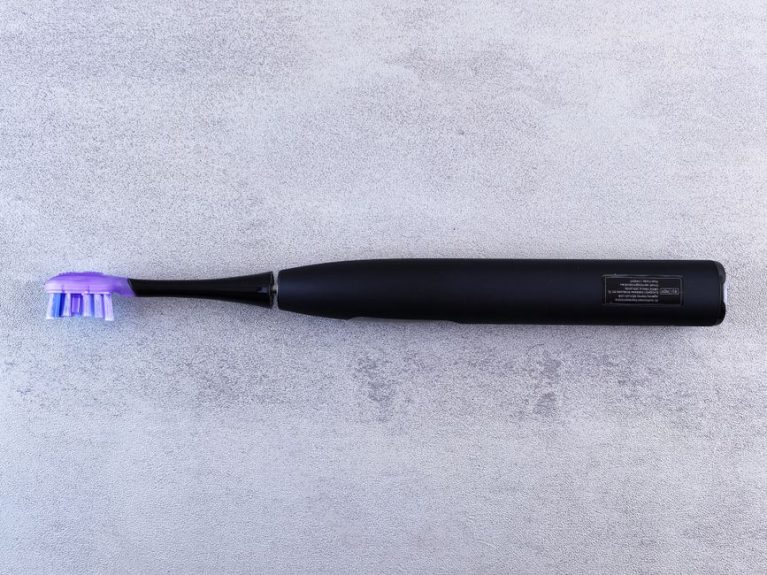
High speed cleaning with 4 modes
Premium whitening-focused electric toothbrush with multiple modes, eight brush heads and a travel case — built for users who want strong stain removal and portability in an affordable package.
- Noticeable stain removal
- Includes multiple brush heads and travel case
- Fast 40,000 VPM motor
- Affordable price
- Can be too powerful at high settings for sensitive gums
- Whitening mode may increase gum sensitivity
- Replacement heads vary by market
Start on the gentlest mode and keep pressure light.
Limit whitening sessions to 2–3 times per week; keep each pass short.
Prefer soft or sensitive brush heads rather than firmer whitening tips.
Stop and consult a dentist if bleeding or persistent soreness occurs.
Be willing to sacrifice some whitening intensity for long-term gum comfort.
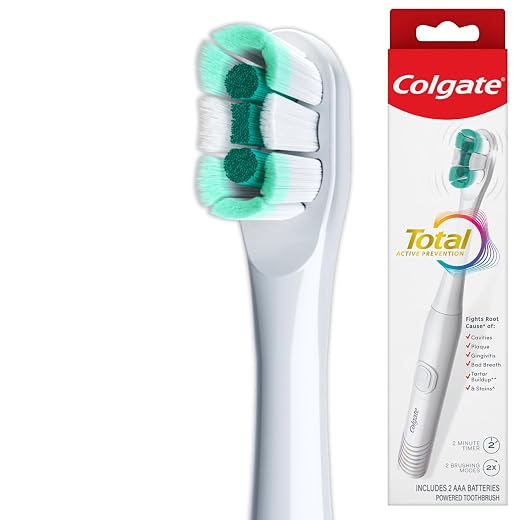
- Extremely affordable price
- Runs on common AAA batteries (included)
- Compact, lightweight for travel
- Built‑in two‑minute timer for consistent brushing
- Acceptable cleaning performance for basic needs
- No pressure sensor or advanced gum modes
- Disposable batteries add waste and ongoing cost
- Fewer intensity/settings than rechargeable models
- Replacement heads and long‑term value limited
- Two brushes reduce per-unit cost
- Soft bristles for gentle gum contact
- Battery powered — travel-ready
- Simple sonic vibration, easy to use
- No pressure sensor or intensity control
- Charcoal is mainly cosmetic, not a sensitivity treatment
- Requires AAA batteries — no charging base
- Fewer head options and replacement varieties
Common concerns — short answers
Is using an electric toothbrush safe with receding gums?
Electric brushes are safe when used correctly. Choose soft-bristled heads, lower intensity settings, and gentle short strokes; avoid scrubbing. If roots are exposed, painful, or bleeding persists, seek professional assessment.
Are sonic brushes gentler than oscillating-rotating models?
Sonic brushes use high-frequency vibrations that sweep plaque and often feel gentler with soft heads, while oscillating-rotating action can feel firmer but is also effective. Individual tolerance varies; pick a brush with multiple intensity levels and soft replacement heads to test comfort.
Do pressure sensors prevent brushing-related gum damage?
Pressure sensors significantly reduce overbrushing by alerting or lowering speed when force is excessive. They are a useful safety feature but not a substitute for correct technique and appropriate brush heads.
When should a dentist be consulted for sensitive or receding gums?
See a dentist if bleeding, pain, increasing sensitivity, notable recession, or pus occur. Early evaluation rules out periodontal disease and determines whether professional treatment or behavior changes are needed.
What complementary tools help protect sensitive gums?
Daily interdental cleaning (floss or interdental brushes), desensitizing toothpaste, and timely head replacement reduce irritation. Consult guides on interdental products and compatible replacement heads for product-specific recommendations.
Quick decision flow and care reminders
- Sonicare 5950 — top pick for very sensitive gums (soft heads, pressure feedback).
- ProtectiveClean 5300 — best midrange value with dedicated gum‑care modes.
- Aquasonic Black Series Ultra Whitening — premium whitening; limit use and prioritize comfort settings. Colgate Total Battery Powered Toothbrush — compact, budget travel option with replaceable batteries. Colgate 360 Charcoal Battery Powered Brush — best-value two‑pack for basic gentle cleaning with soft bristles.
For tender gums, the Sonicare 5950 provides the gentlest, most protective daily clean. The ProtectiveClean 5300 is the practical value choice with pressure sensing; the Aquasonic Black Series Ultra Whitening suits occasional whitening on low intensity. For strict budgets or travel, the Colgate Total Battery Powered Toothbrush and Colgate 360 Charcoal Battery Powered Brush deliver acceptable, soft‑bristle cleaning.
Check head compatibility for each model and replace brush heads every 3 months (sooner if bristles splay). Use light pressure, short strokes, two‑minute routines, and daily interdental cleaning. Persistent bleeding, increasing pain, or rapid recession warrants prompt dental assessment.