Frayed bristles can look harmless — but the consequences aren't.
A morning routine stalls when a toothbrush’s bristles fan out and lose shape. The owner wonders: is this cosmetic wear or a hygiene risk? It matters — worn bristles clean less effectively, let plaque persist, and can contribute to cavities, gum inflammation or reinfection after illness. Clinicians and public-health guidance call for one simple, evidence-aligned rule that balances infection control, cost and plastic waste.
- Replace every 3 months (ADA guidance: 3–4 months).
- Replace sooner if bristles are visibly frayed or splayed—loss of stiffness reduces cleaning.
- Replace after a cold, flu, or GI infection to avoid reinfection; immunocompromised patients should swap immediately.
When to Replace: Electric Heads, Illness, Children, and Special Cases
What is the baseline replacement rule?
Replace the brush head every three months as a baseline and sooner if the bristles appear frayed, splayed, or softened. Visually inspect the head monthly and after any rough use; visible wear means diminished cleaning performance and merits immediate replacement.
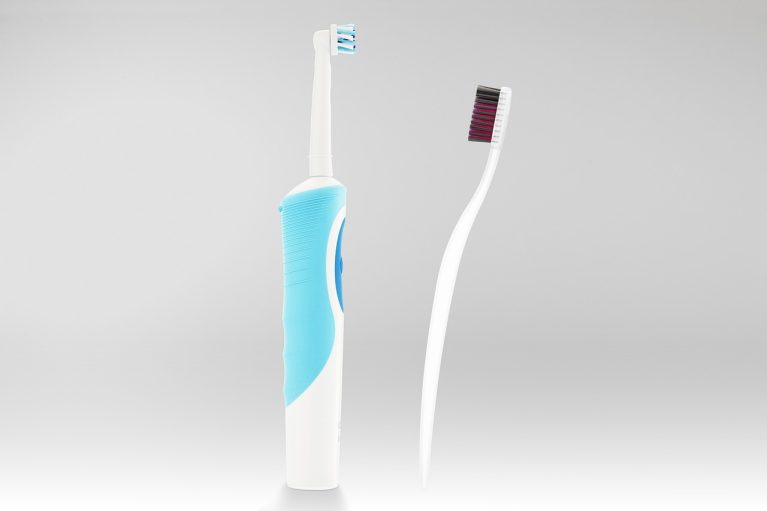
Do electric toothbrush heads follow the same schedule as manual brushes?
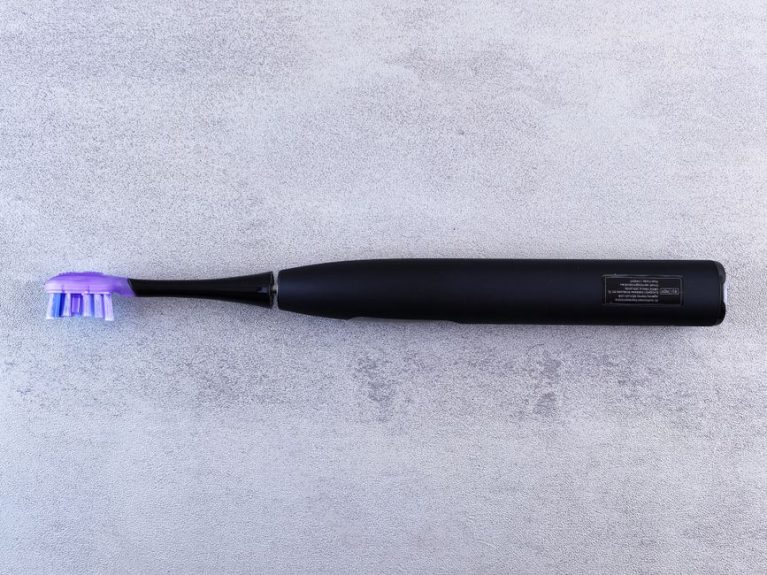
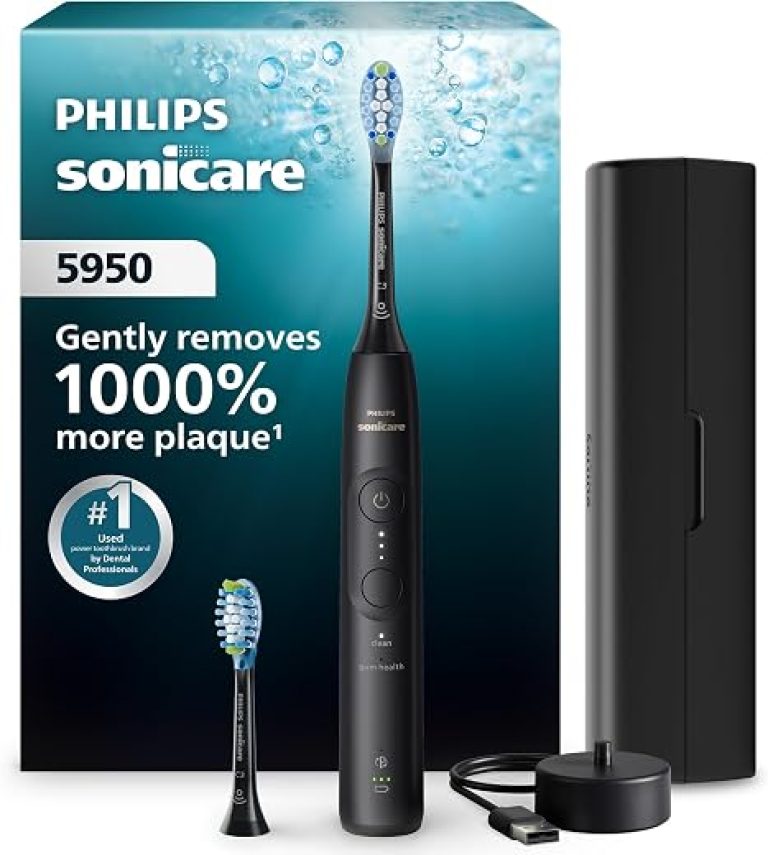
Yes—electric heads generally follow the three‑month guideline, but wear patterns vary by model and brushing force. Rely on visual inspection and any color‑fade indicators from the manufacturer; replace immediately if bristles bend, rubber elements deteriorate, or the head shows uneven wear.
Should the brush head be replaced after an illness?
Replace the head after recovering from contagious illnesses (cold, flu, strep, COVID‑19) to avoid reintroducing pathogens. If replacement is not possible, disinfect by rinsing thoroughly, allowing to air‑dry upright, or briefly soaking in a dentist‑approved antimicrobial solution until a new head is obtained.
Are there different rules for children?
Children often chew bristles and can wear heads faster, so inspect more frequently and replace sooner—about every 6–8 weeks for toddlers who chew. Always use age‑appropriate head sizes and replace immediately after childhood infections.
What about immunocompromised people or those with active periodontal disease?
For immunocompromised individuals or during active periodontal treatment, replace heads more often—commonly every 4–6 weeks—or after any infection to reduce microbial risk. Maintain strict hygiene: store heads separately, avoid sharing, and follow the dentist’s specific replacement and sterilization recommendations.
Visual and performance checks to replace a head
-
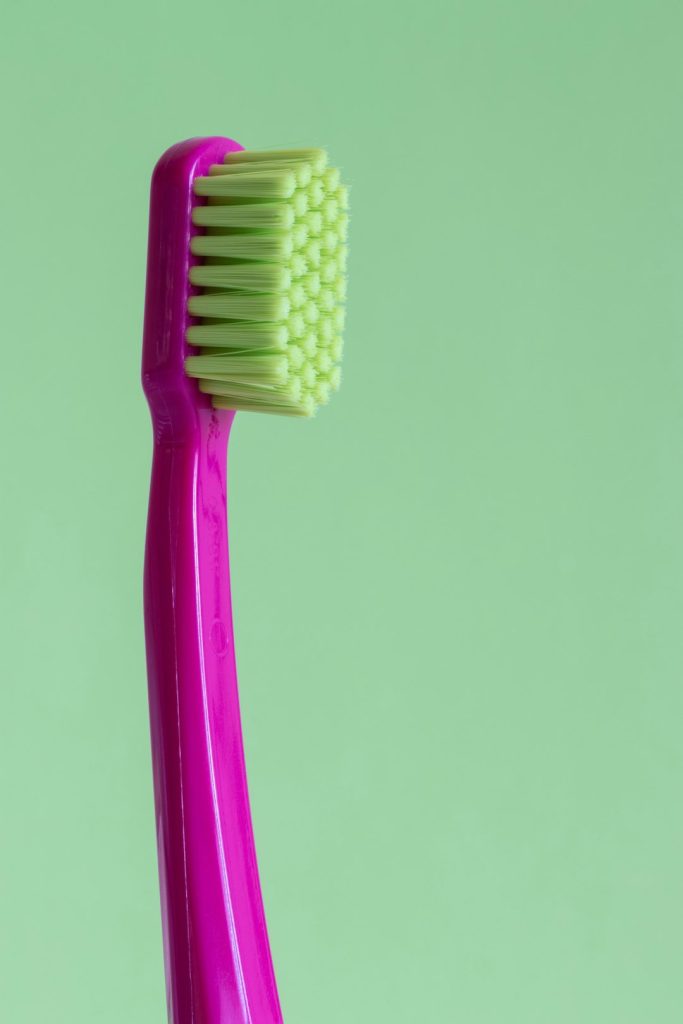
Frayed or splayed bristles
Bristles that bend outward, split, or lose their original shape no longer contact tooth surfaces properly; replace as soon as fraying appears.
-
Faded indicator stripe is only a guide
Color bands signal average wear but fade at variable rates; treat the stripe as a supplementary cue, not the sole trigger for replacement.
-
Noticeable drop in cleaning performance
If plaque feels or looks unchanged after a normal session, or brushing takes longer to get the same effect, the head is likely worn even if it looks intact.
-
Persistent odor or visible residue
Mildew, discoloration at the base, or a sour smell indicate contamination—discard the head rather than trying to sanitize it repeatedly.
-
Mechanical fit and movement problems
For electric heads: wobble, uneven rotation, or a loose fit reduce cleaning effectiveness and warrant replacement immediately.
Replace immediately after contagious illness regardless of appearance.
Indicator stripes are helpful but inconsistent; fraying and performance loss are better signals.
Dye fades at different rates depending on toothpaste and water; bristle shape and cleaning ability determine effectiveness.
Hard bristles damage enamel and gums and often splay faster under pressure.
Stiffer bristles concentrate force on small areas, increasing wear on both bristles and tissue without improving plaque removal.
High heat warps nylon bristles and accelerates wear; it may reduce microbes but shortens effectiveness.
Nylon loses stiffness and shape when exposed to sustained high temperatures, degrading cleaning action.
Replace the head after contagious respiratory or gastrointestinal infections.
Pathogens can persist in bristle tufts; replacement reduces reinfection risk and transmission to household members.
When to change the 3‑month rule — clear shopper criteria
-
Orthodontics (braces, clear aligners)Braces trap plaque and wear bristles faster; orthodontic patients should inspect heads more often. Frequent replacement maintains effective access around brackets and wires.Look forSmaller heads, soft-to-medium bristles, heads that reach around bracketsAvoidLarge bulky heads or very firm bristles that miss tight spaces or irritate soft tissue
-
Implants, crowns, and bridgesRestorations need gentle but thorough cleaning; splayed bristles reduce plaque removal at margins. Replacement timing depends on bristle condition and whether specialized brushes are used.Look forHeads with tapered or precision tufts and soft bristlesAvoidWorn, frayed bristles or broad flat heads that skip margins
-
Periodontal disease or recent gum surgeryActive gum disease or healing tissue requires softer bristles and potentially earlier swaps to prevent bacterial buildup. Clinician guidance may recommend more frequent changes after surgery.Look forExtra-soft or sensitive-head options; replace sooner if bleeding or tenderness persistsAvoidFirm bristles and long intervals between replacements during healing
-
Children and sensitive gumsChildren’s heads wear faster and require age-appropriate sizes; sensitive gums benefit from softer heads and earlier replacement. Replace sooner when bristles lose shape or cause discomfort.Look forChild-size heads, soft bristles, indicator bristles for wearAvoidAdult-size heads or firm bristles that irritate small mouths
Check compatibility before buying — heads differ by connector shape and secure-fit rings; a compatible head preserves brush mechanics. For sensitive gums, expect to replace heads sooner than the 3‑month baseline (often 6–8 weeks) or follow clinician advice after procedures.
Inspect indicator bristles and bristle shape, not just color. Keep spare heads on a subscription or labeled storage to avoid mixing sizes.See the compatibility guide and sensitive‑gum timing resource for model-specific steps and clinical guidance.
How the recommendation was derived
Recommendations are based on a targeted review of clinical studies about bristle wear and plaque removal, combined with hands‑on bench and field testing of popular manual and electric heads. An expert panel interpreted the evidence and test results to set the three‑month benchmark while explicitly acknowledging variability in real use.
-
Evidence review
Focused search of peer‑reviewed trials and laboratory abrasion studies, prioritizing outcomes for plaque, gingival health, and bristle integrity.
-
Practical testing
Measured bristle splaying, filament breakage, and cleaning performance across simulated and user‑observed use cycles for common heads.
-
Key limitations
Wear depends strongly on individual brushing force, frequency, technique, and toothpaste abrasivity; some users may need to replace heads sooner.
Five-point action checklist
-
Follow the 3‑month rule
Replace toothbrush heads every three months as a baseline; shorten interval after illness or visible wear.
-
Inspect bristles weekly
Look for fraying, splaying, discoloration or bent tufts — any of these indicates reduced effectiveness and a need to replace.
-
Swap after respiratory or GI illness
Change the head once symptoms resolve to limit microbial transfer, even if bristles appear intact.
-
Replace sooner for children and heavy brushers
Children and those who brush aggressively should switch heads every 6–8 weeks or as soon as wear appears.
-
Keep a spare and track dates
Store an extra head and mark installation dates on the handle or calendar to avoid overdue use.
Do indicator bristles reliably show wear?
Colored fade indicators are a helpful guide but are not a substitute for visual inspection; check bristle shape and performance too.
Can a head be cleaned and reused longer?
Rinsing and air‑drying reduces biological load but does not restore bristle stiffness; cleaning doesn’t extend the mechanical lifespan.
Is it necessary to replace electric heads more often?
Electric heads follow the same three‑month guideline, though high RPM devices used aggressively may show wear sooner and warrant earlier replacement.
Final takeaway
- Prioritize bristle condition over dye or time alone.
- Treat post‑illness replacement as routine.
- Simple tracking prevents overdue heads.
Replace heads on a three‑month cadence, inspect weekly for wear, and replace sooner after illness or heavy use. For broader equipment guidance, see the essential oral care tools overview.