Not every sleep gadget helps — many only drain the budget.
Boxes of devices pile up while nights stay the same: a common sign of decision fatigue. Start with a simple, measurement-driven funnel: identify the single biggest sleep bottleneck (comfort, noise, temperature, or timing). Fix fundamentals first — mattress, pillow, blackout, and thermostat — then try low-cost interventions. Change only one thing at a time and keep a 2–4 week baseline of sleep data. Require a clear, measurable benefit (for example, 15–30 minutes faster sleep onset or noticeable daytime improvement) before upgrading to expensive tech.
- Mattress / pillow — $300–$1,500
- Blackout curtains / sleep mask — $20–$100
- Thermostat / fans — $30–$200 for consistent temperature control, high impact for many people
Invest in the sleep surface first
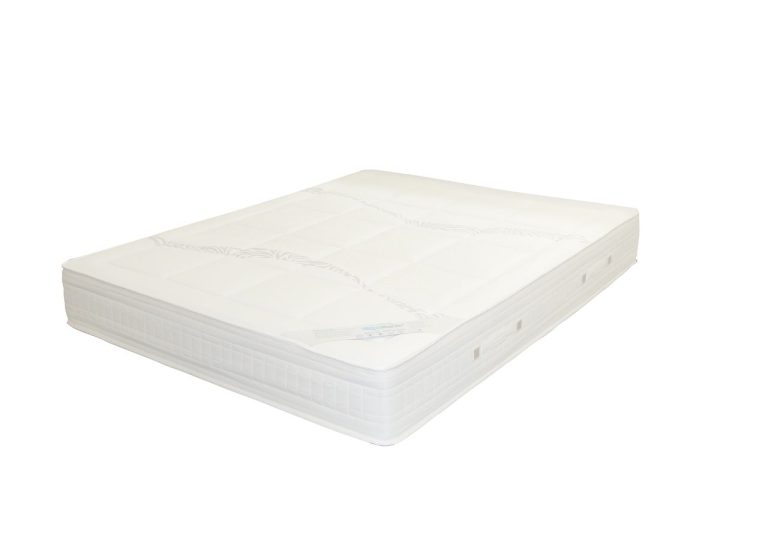
The single biggest, most reliable improvement to sleep quality comes from the sleep surface: mattress, pillow, and the basic bedding that controls comfort and temperature. These items directly affect spinal alignment, pressure relief, and uninterrupted sleep — the physiological drivers of deeper sleep stages and fewer awakenings.
How the surface produces outsized returns
- Spinal alignment & pressure relief: a properly sized mattress and pillow reduce micro‑awakenings from discomfort.
- Thermoregulation: mattress materials and breathable bedding influence core temperature, which governs sleep onset and REM cycles.
- Durability of benefit: a good mattress and pillow deliver consistent gains for years; accessories usually give short‑term or marginal improvements.
Why accessories are lower priority
Accessories (white‑noise machines, expensive mattress toppers, novelty pillows) can fine‑tune sleep but rarely fix fundamental problems. After establishing a supportive mattress and an appropriate pillow loft, small accessories can be introduced to address specific issues like light, noise, or mild temperature swings.
Best practice: prioritize mattress first, then pillow, then essential breathable sheets; test each change before adding extras.
Start with mattress → pillow → basic bedding. Expect lasting improvement from the surface; treat accessories as optional fine‑tuning after a 30‑night test of the main items.
When to replace a mattress and which type to choose
Clear triggers for replacement
- Age: most mattresses begin losing supportive comfort after 7–10 years.
- Visible sagging: indentations greater than about 1 inch often mean lost support.
- New or worsening pain: recurring shoulder, hip, or low‑back pain tied to mornings.
- Partner disturbance: excessive motion transfer or sleep disruption.
- Health changes: allergies, pregnancy, or significant weight change.
When one or more triggers appear, prioritize a mattress upgrade over minor accessories.
Match mattress type to sleep position and pain patterns
- Side sleepers: need pressure relief at shoulders and hips. A medium to medium‑soft memory foam or hybrid with a plush top usually works best. For readers focused on hip pain, consult the detailed roundup of options for side sleepers with hip pain for tested models.
- Back sleepers: require spinal alignment — choose medium‑firm support with targeted lumbar reinforcement.
- Stomach sleepers: need a firmer surface to prevent mid‑section sink and spinal hyperextension.
- Combination sleepers: look for a responsive hybrid or latex that balances pressure relief and quick recovery.
Also factor in body weight: heavier sleepers typically need firmer, more durable builds. Always use a mattress trial and assess comfort after several weeks; short tests can miss pressure‑point issues.
Measure sag at the deepest point: >1 inch indicates replacement. If morning pain improves within two weeks of a new mattress, the old one likely caused the problem.
Pillow loft, internal support, and when to replace
Pillow loft (height) fills the shoulder-to-ear gap; internal support (firm core, zoned foam, layered fill) resists collapse. Together they keep the head neutral so the cervical spine stays aligned with the torso. Too low = neck flexion; too high = neck lateral bend.
Objective replacement triggers:
- Visible flattening or loss of loft by >1 inch (25%+ of original height).
- Lumps, clumps, or irregular surface that cannot be redistributed.
- Persistent morning neck pain that began after pillow use, or new allergic symptoms.
- Irreparable cover or failed machine-wash performance.
How to test and choose (especially for side sleepers/neck pain):
- Lie in usual sleep position; the head should sit level with the spine and ears over shoulders.
- Slide a flat hand under the neck: a slight gap is ideal; no large void or forced tilt.
- Prefer adjustable or zoned pillows and firm-support cores; memory foam or latex often maintain loft.
For focused comparisons for side sleepers, see a detailed comparison of loft and support for side sleepers.
Press the centre firmly for 10 seconds. If it doesn’t rebound to within 1 inch of its original thickness, consider replacing it. Try the test while lying on the pillow to confirm spinal alignment.
Which bedding actually changes sleep or health
Not all bedding items move the sleep dial equally. Sheets mainly change comfort and temperature regulation — choose fiber and weave for seasonality (cotton percale or linen for cool, sateen or flannel for warmth). Mattress protectors and encasements affect health outcomes: they reduce allergen exposure, prevent stains, and stop bed‑bug spread when chosen correctly.
Buy a mattress protector immediately with a new mattress; add a full encasement when allergies, asthma, pets, or bed‑bug risk is present. Replace sheets when pilling or comfort is lost; replace protectors when seams fail or breathability declines (typically 2–5 years).
Protector features that matter
- Full encasement vs top‑only: encasements are necessary for dust‑mite or bed‑bug control.
- Barrier type: avoid PVC; prefer microporous polyurethane or tightly woven allergen‑barrier fabrics.
- Breathability: look for air‑permeability specs or thin knit construction; lab testing helps. For evidence and product recommendations, see what works and what to buy.
- Practical details: locking zipper, washable at high temps, and clear replacement timeline.
A mattress protector should be on a new mattress from day one; sheets can wait until comfort, temperature, or wear demand replacement. Prioritize barrier features if allergies or pests are a concern.
Cooling vs. weighted blankets: which to buy first
Climate-control products (fans, AC, cooling mattress pads) solve thermal problems: overheating, night sweats, and temperature-driven wakefulness. Weighted blankets address sensory issues: persistent anxiety, restlessness, and difficulty settling despite comfortable temperature.
Objective buy-triggers
- For cooling: regular nightly overheating (waking hot or sweating ≥3 nights/week), bedroom temperature consistently above comfort, or sleep fragmentation tied to heat.
- For weighted blankets: ongoing restlessness or anxiety at bedtime that doesn’t improve after addressing temperature and bedding, or a clinical recommendation for deep-pressure stimulation.
How to prioritize
- Fix thermal basics first: mattress/pillow, breathable sheets, a fan or AC, then add a cooling mattress pad or breathable topper.
- Reassess sleep for two weeks; if restlessness remains while temperature is stable, consider a weighted blanket.
- If choosing a weighted option, follow guidance on materials and breathability—start with a lightweight, breathable model and consult how to choose a cooling weighted blanket.
If heat causes awakenings, cool first. Only add a weighted blanket after temperature and bedding are optimized and restless sleep persists.
When is behavior change sufficient to mitigate blue light?
For most people, simple habit changes are sufficient. Ceasing screens 60–90 minutes before bed, using night modes, and dimming ambient lighting usually restores melatonin timing. Test one change at a time and track sleep onset and quality to confirm benefit.
When are blue‑light glasses or hardware filters worth buying?
They become worthwhile when evening screen use is unavoidable (shift work, caregiving, late work) or when behavioral fixes fail. Glasses or physical filters reliably cut exposure and can shift sleep timing. See the detailed explainer on blue light glasses versus habit change for comparative test results.
Do inexpensive blue‑blocking glasses actually work?
Many block some blue light but performance varies and cheap lenses often omit spectral data. Prefer products that publish transmission curves or independent verification; otherwise rely on software filters that report percent reduction.
Should filters be chosen over glasses?
For shared devices or household use, software night modes or attachable screen filters are more practical and cost‑effective. Hardware filters make sense for whole‑room lighting or when apps cannot be used.
Used ≤50 dB at the crib and placed across the room, machines don’t cause hearing loss; behavioral reliance is reversible.
See recommended volume limits; use a phone app, set a timer, and try household sounds first.
High volume can mask cues and fragment sleep; low steady sound works better.
Use low settings or a fan; delay buying if a routine or a household fan helps.
No evidence white noise prevents SIDS; safe-sleep practices matter.
Buy only for soothing; prioritize mattress, fitted sheet, and positioning guidance.
Step-by-step buying flow and priorities
-
1) Measure baseline and set a budget
Log two weeks of sleep: timing, wake-ups, temperature, pain, partner disturbance. Set a realistic budget range tied to expected benefit (mattress gets the largest share).
-
Fix low-cost basics first
Address mattress protection, sheet comfort, room temperature, and noise control before replacing major items. These changes are cheap and reversible — test their effect first.
-
3) Prioritize the sleep surface
If baseline records persistent discomfort, sag, or age-related decline, upgrade mattress and pillow together where possible. Choose mattress type by sleep position and pain patterns.
-
4) Make one change at a time and trial it
Keep interventions singular (new pillow or topper, not both). Use a minimum 2–4 week trial for small changes and the manufacturer’s sleep trial for mattresses.
-
5) Add targeted accessories last
Buy cooling, white-noise devices, weighted blankets or smart lights only after surface and environment are stable and measurable problems persist.
Replace items when objective signs appear (mattress sag >1 in, pillow height loss, or new pain).
Testing approach: recommendations come from repeatable, single-variable trials, objective measures, and expert review.
-
Repeatable trials
Changes were tested one at a time with sleep diaries over 2–8 weeks to capture adaptation and nightly variability.
-
Objective measurements
Pressure mapping, surface temperature probes, and sound level readings supplemented subjective scores to quantify improvements.
-
Expert validation
Clinicians and ergonomists reviewed protocols and outcomes; methods and thresholds are listed so readers can replicate checks.
Buy triggers and budget priorities
Mattress: age ≥7–10 years, visible sag >1 in, chronic pain, partner disturbance. (Budget priority: 40–50%.) Pillow: loft loss, lumps, new neck pain. (15–20%.) Protectors/sheets: allergies, stains, comfort. (5–10%.) Accessories (cooling, noise, weighted): buy only after measured problems persist. (Remainder of budget.)Final buying checklist
- Prioritize mattress and pillow
- Use trials and retailer returns
- Fix habits and environment first
Prioritize the fundamentals: bed and pillow first, then targeted accessories. Measure a baseline, change only one variable at a time, and require measurable improvement before upgrading. Use trial periods, retailer returns, or short rentals to test products under real sleep conditions; track objective metrics and nightly ratings during trials.
Address sleep habits, temperature, allergens, and light before adding gadgets. Follow the step‑by‑step buy flow and spend only where tests show clear benefit.