Extra glucose data can expose hidden highs and lows — but it comes at a price.
Waking to an unexplained 60 mg/dL low despite no nighttime snacks is a familiar trigger for rethinking monitoring. A continuous glucose monitor adds trend arrows and context that fingersticks miss, but the benefit must be weighed against recurring cost, skin adhesion issues, and alarm fatigue.
Fingersticks remain cheap and discrete but sparse; the decision is a clear tradeoff between actionable insight and practical burdens — readiness to act on new data matters as much as the data itself.
- CGM provides about 288 readings per day (every ~5 minutes).
- Sensor wear commonly lasts up to 15 days (model-dependent).
- Typical fingerstick frequency: about 1–6 checks per day.

What each device actually measures
Fingerstick meters sample a drop of capillary blood and report a point-in-time blood-glucose concentration. Modern meters are fast and reflect the immediate circulating glucose level from the fingertip. Continuous glucose monitors (CGMs) use a subcutaneous sensor to measure interstitial glucose — the glucose in the fluid between cells — and infer blood glucose from that signal.
That difference creates predictable practical effects: CGMs need a warm-up/stabilization period when first applied (brand-dependent, from a few hours up to a day). CGMs also show a physiological lag relative to blood — typically about 5–15 minutes, longer during very rapid rises or falls. The tradeoff is that CGMs provide continuous readings and trend visibility (direction and rate of change), so they catch excursions and patterns that discrete fingersticks can miss. Discrepancies are most common during rapid glucose shifts, poor sensor perfusion, or during sensor warm-up.
Confirm with a fingerstick when:
the CGM is in its warm-up period symptoms don’t match the CGM reading glucose is changing rapidly after a meal or insulin the sensor site is cold or has poor circulationUse CGM trends for pattern management; use fingersticks to make immediate treatment decisions if accuracy is in doubt.
How accuracy is measured
MARD and clinical thresholds
Accuracy for continuous glucose monitors (CGMs) is usually summarized by MARD (mean absolute relative difference) — the average percent difference between the device reading and a laboratory reference. Lower MARD indicates closer agreement; modern CGMs often report MARDs in the high single digits to low teens. For point-of-care meters, regulatory criteria use absolute/relative thresholds (for example, ±15 mg/dL for values <100 mg/dL or ±15% for higher values) to define acceptable performance.
What small numerical differences mean clinically
A few-percent difference in the mid-range (e.g., 120–180 mg/dL) is rarely decisive. Errors matter most near hypoglycemia (<70 mg/dL) and when making tight insulin adjustments. During rapid glucose change the CGM’s interstitial lag can add several minutes of offset compared with capillary blood.
Real-world factors that change readings
- Sensor lag, compression (false lows), and sensor age
- Hydration, skin temperature, and local blood flow
- Meter/sample technique, strip lot, and hematocrit for fingersticks
For a deeper, side-by-side evaluation of devices in daily life, see comparing spot checks and continuous monitoring reliability.
When precision is critical — suspected hypoglycemia, unexpected symptoms, or rapid swings — confirm with a fingerstick before making major treatment changes.
Small percent differences often don’t change management, except near hypoglycemia or during rapid glucose changes. Confirm CGM readings with a fingerstick when symptoms conflict or before large insulin doses.
Clinical evidence and guideline consensus
Key randomized trials
Major randomized trials in type 2 diabetes have shown consistent benefits of CGM for insulin-treated patients. Trials such as MOBILE and pragmatic studies comparing CGM with usual fingerstick monitoring reported:
- modest but clinically meaningful reductions in A1c,
- increased time-in-range and fewer hyperglycemic excursions, and
- reductions in clinically significant hypoglycemia in people with prior hypoglycemia.
Trials in non–insulin-treated populations generally show smaller or mixed benefits for A1c and are more heterogeneous in outcomes.
Guideline positions
Major diabetes guidelines converge on common themes:
- Recommend or strongly consider CGM for people with type 2 diabetes using intensive insulin regimens (multiple daily injections or pump).
- Advise consideration of CGM for those on basal insulin or noninsulin therapy when documented hypoglycemia, hypoglycemia unawareness, or high glycemic variability exists.
- Endorse CGM as a tool to guide treatment adjustments and to increase time-in-range beyond A1c alone.
Which subgroups show the clearest benefit?
- Insulin users, especially on multiple daily injections: greatest A1c and time-in-range gains.
- People with documented hypoglycemia or hypoglycemia unawareness: meaningful reductions in low-glucose events.
- Those with high glucose variability: better trend data enables targeted regimen changes.
These conclusions reflect randomized data plus guideline synthesis; individual decisions should weigh cost, access, and patient preferences.
Five-step CGM triage for type 2 diabetes
-
1) Insulin dependence
Prioritize CGM for any patient using basal–bolus or multiple daily injection insulin regimens; evidence shows clear A1c and time‑in‑range benefits in insulin-treated type 2 diabetes.
-
2) Significant hypoglycemia or unawareness
Offer CGM when severe hypoglycemia, frequent low-glucose events, or impaired hypoglycemia awareness occur — alarms and trend data reduce risk and guide adjustments.
-
3) High glucose variability
Recommend CGM if SMBG shows wide swings, discordant fingersticks, or A1c not matching apparent control; continuous trends identify patterns not seen with intermittent checks.
-
4) Lifestyle or safety drivers
Consider CGM for patients with variable meal schedules, unpredictable activity, shift work, or driving responsibilities where real‑time trends improve safety and behavioral decisions.
-
5) Practical contraindications
Defer or trial cautiously with active skin disease, adhesive allergy, inability to manage device/phone connectivity, or lack of coverage; short professional trial can test feasibility.
When eligibility is uncertain, arrange a 10–14 day CGM trial (professional or personal) to assess actionable pattern change.
Continuous sensor with app‑based trends
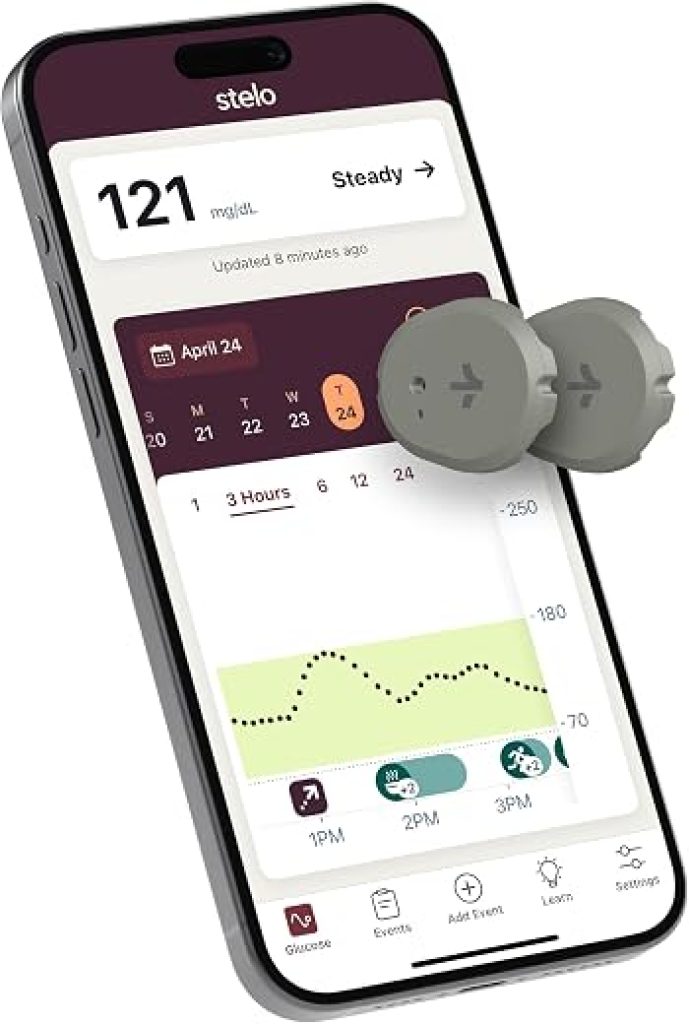
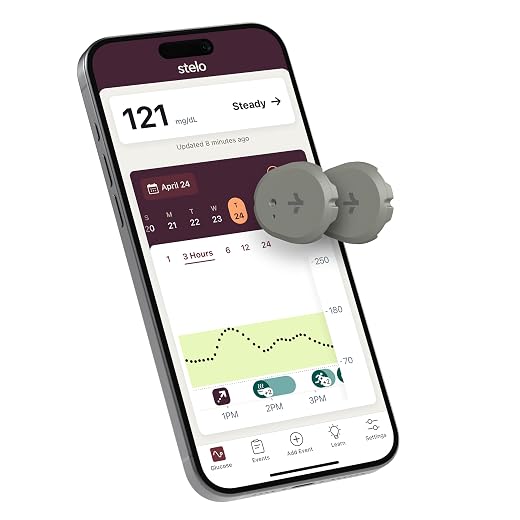
All‑in‑one sensor/transmitter system with Bluetooth to a smartphone app (iOS/Android). Worn up to 15 days per sensor (2‑pack), provides real‑time glucose values, trend arrows, and actionable pattern reports to inform food, activity, and insulin decisions. Approx. price listed ~ $100; marketed by Dexcom with overpatch and applicator included.
Costs, coverage, and common roadblocks
Costs and coverage in practice
Out-of-pocket CGM costs vary widely. Paying cash typically runs about $100–$400 per month depending on sensor life and model; with insurance copays and negotiated pricing many people pay $0–$150 per month. Upfront hardware (transmitters, receivers) can increase initial costs.
Medicare and most commercial plans require clinical criteria and prior authorization. Common insurer triggers include: insulin therapy requiring frequent adjustments, documented problematic hypoglycemia, or large glucose variability despite standard care. Review requests commonly ask for recent A1c, insulin regimen, blood‑glucose logs, and a clinician statement that the CGM will guide therapy.
Prior‑auth patterns and administrative workarounds
- Prior authorizations are routine; expect phone calls and form letters.
- Durable medical equipment (DME) suppliers often handle paperwork—ask which supplier the plan prefers.
- Manufacturers offer starter kits, samples, and patient‑assistance programs that can bridge appeals or delays.
- If coverage is denied, appeal with documented glucose logs, a clinician letter, and a time‑limited trial request (e.g., 2–4 weeks) demonstrating benefit.
Clinicians who prepare concise documentation and use DME/manufacturer support typically speed approvals.
Brief clinician statement of medical necessity.
Current insulin regimen and dosing frequency.
Recent A1c and examples of hypoglycemia or high variability (fingerstick logs or meter download).
Any prior trial of fingerstick monitoring and why it was insufficient.
Living with a CGM: what daily use feels like
Daily wear and skin care
A CGM is worn constantly, so adhesion and skin reactions are common concerns. Regular site rotation (every 7–14 days depending on sensor) prevents irritation. Clean skin with alcohol, let it dry, and consider a thin barrier film or adhesive patch for sensitive skin or vigorous activity. If redness or blistering occurs, remove the sensor and consult a clinician.
Alarms, apps, and interpreting trends
Alarms can be helpful or overwhelming. Set only the essential alerts: urgent low and high that require action. Use the app’s trend arrows and short-term slope to decide whether to act—a downward arrow is a trend, not an emergency. Remember the 5–15 minute interstitial lag: avoid immediate correction for borderline readings.
Tips to reduce data anxiety and overcorrection:
- Schedule brief, daily review windows instead of constant checking.
- Limit alerts to critical thresholds; mute predictive alerts if they trigger unnecessary actions.
- Use time-in-range and trend averages to judge control, not single readings.
- Confirm surprising or symptomatic values with a fingerstick before major treatment.
These habits keep CGM data useful, not stressful.
Focus on patterns (time-in-range) instead of chasing every number.
Four things to check before choosing a CGM
-
Accuracy & validationPrefer systems with published MARD and peer‑reviewed or FDA clinical data, ideally including people with type 2 diabetes. Real‑world factors (medications, skin type) can still shift performance.Look forLow MARD and independent clinical validation.AvoidNo published accuracy data or only manufacturer claims.
-
Sensor life & warm‑upLonger wear reduces replacement frequency and cost; check the stated warm‑up interval before reliable readings begin. Shorter warm‑up and 10–14 day wear are convenient for most users.Look for10–14+ day wear and short warm‑up time.AvoidVery short lifespan or long/unpredictable warm‑up.
-
Calibration & alarmsFactory‑calibrated sensors lower routine fingersticks; confirm whether alarms for hypoglycemia/hyperglycemia are available and fully configurable to avoid alarm fatigue.Look forFactory calibration plus customizable real‑time alerts.AvoidFrequent mandatory calibrations or non‑adjustable alarms.
-
Connectivity & adhesive/skin considerationsVerify phone/receiver compatibility, data‑sharing and backup options. Assess adhesive strength and skin sensitivity—plan for adhesive patches or hypoallergenic options if needed.Look forStable app/receiver support, sharing, and robust adhesive or compatible patches.AvoidPoor connectivity, proprietary receivers only, or frequent sensor lifts.
Waterproof adhesive covers, 20 pack
Waterproof, sweatproof adhesive patches sized for Freestyle Libre 2 and similar sensors. Pre‑cut medical tape claims 10–14 day wear and comes in a 20‑pack; useful for people prone to sensor lifts or who need extra skin protection. Affordable option to extend reliable wear when adhesive performance is a concern.
Factory‑calibrated, real‑time alarms
Factory‑calibrated sensor with real‑time high/low alerts and phone app sharing. Typical clinical MARD around 9–10% in published studies; approved for ~10‑day sensor life and provides direct alerts to phones and receivers, making it useful when hypoglycemia detection or remote monitoring matters.
How recommendations were formed
Recommendations combine randomized trials, cohort studies, device accuracy data, insurer rules, and hands-on testing.
-
Evidence review
Prioritized randomized trials and meta-analyses for A1c and time-in-range; cohorts used for adherence and cost insights.
-
Hands-on testing
CGMs and fingerstick meters were worn in everyday conditions to assess adhesion, alarm burden, lag, and usability.
-
Guidelines & payers
Professional statements and coverage criteria were checked to align recommendations with clinical practice and reimbursement realities.
Clinical next steps
- Triage: insulin, hypoglycemia, variability, barriers.
- If eligible, arrange a brief CGM trial and authorization.
- If not, tighten SMBG schedule, meter, and education.
Triage by insulin use, hypoglycemia, variability, and barriers.
When indicated, authorize a time-limited CGM trial; otherwise, enforce structured SMBG and coaching.
-
Triage
Apply five-step triage to decide candidacy.
-
Trial & authorization
Order 2–4 week trial; document targets and prior SMBG.
-
Optimize SMBG
Set premeal/bed testing, validated meter, and correction rules.
-
Education & follow-up
Train on sensor use, alarms, and pattern response; schedule follow-up.
-
Document & reassess
Record TIR, lows, and adherence; reassess and escalate if needed.