Skip the gadgets — keep three tools on the counter.
Standing at the dental aisle, the choice becomes paralysis: electric brushes, whitening kits, and dozens of specialty pastes. Time and budget are finite; the practical aim is daily impact, not novelty.
A minimal, high-impact set fits on the sink: a soft manual toothbrush, fluoride toothpaste, and an interdental cleaner (floss or a small interdental brush). These three remove plaque, deliver fluoride, and clear between‑tooth debris—actions that prevent decay and gum disease faster than any extra gadget. Replace brushes every three months and store supplies where they are seen.
- Starter budget: quality manual brush + toothpaste + floss ≈ <$20.
- Target fluoride: 1,000–1,450 ppm in daily toothpaste.
- Daily time: ~2 minutes brushing + ~1 minute interdental cleaning.
What "Essential" Means for an At-Home Routine
Working definition
Essentials are the smallest set of tools that reliably produce measurable oral-health benefits in daily use: plaque control, caries prevention, and gum‑health maintenance.
Clinical impact
Prioritize items supported by high-quality evidence (randomized trials or meta-analyses) showing reduced plaque, fewer cavities, or improved periodontal markers; purely cosmetic devices are secondary.
Ease of use
Select tools with a low technique burden that users can operate correctly and consistently, because real-world effectiveness depends on adherence and simple instructions.
Affordability
Choose options with low upfront and recurring costs and readily available replacements, since sustained use over years determines outcomes more than occasional high-end devices.
Maintainability and minimal categories
Cover four categories: a soft-bristled toothbrush, fluoride toothpaste, an interdental cleaner (floss or pick), and a tongue cleaner or scraper; each item should be durable, replaceable, and easy to sanitize.
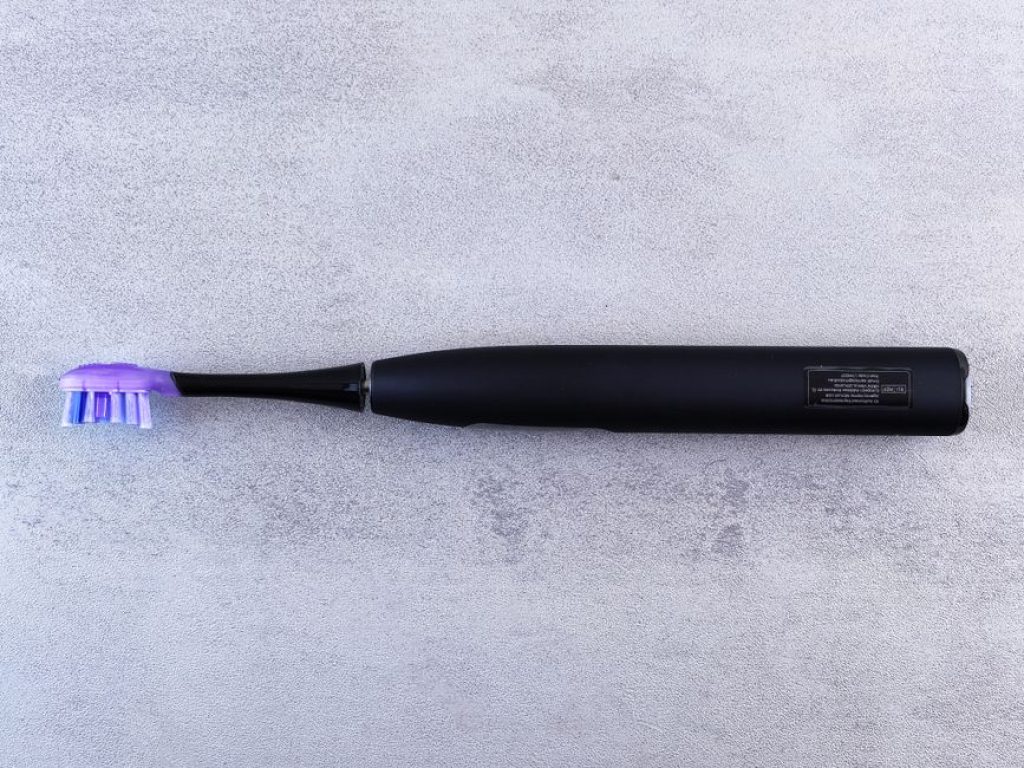
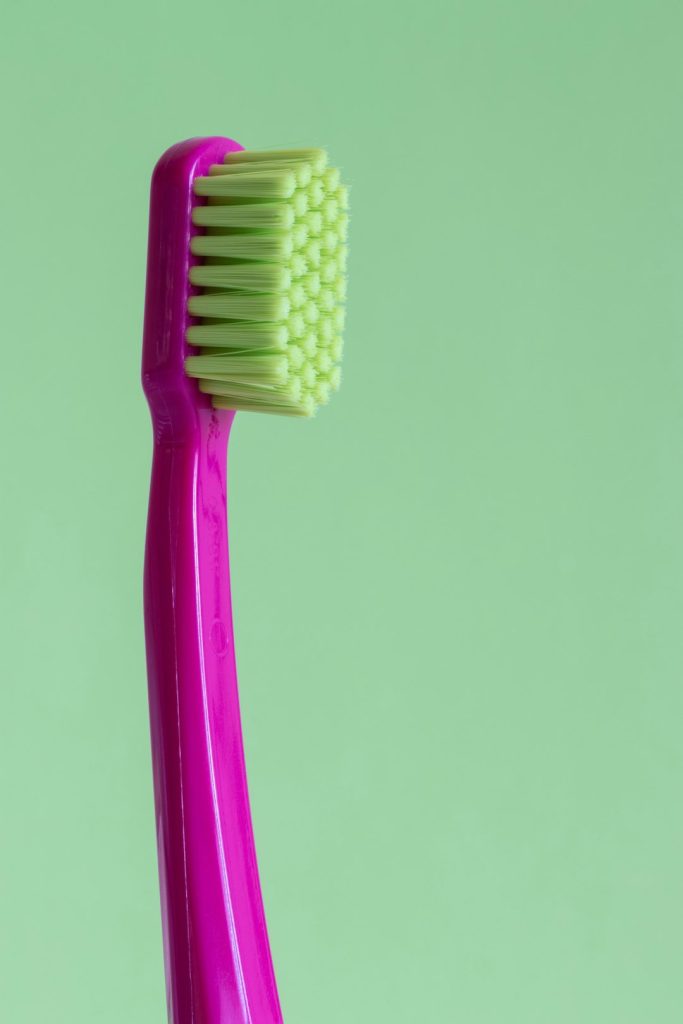
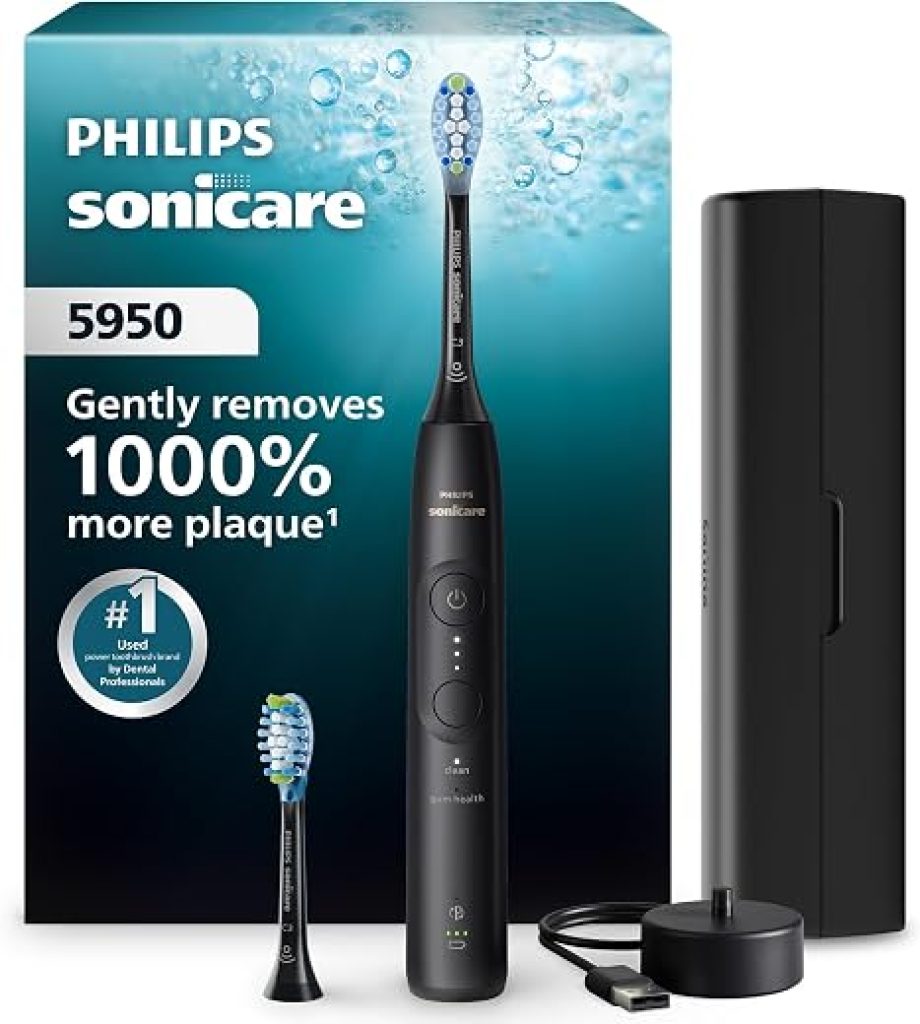
Manual vs electric toothbrushes
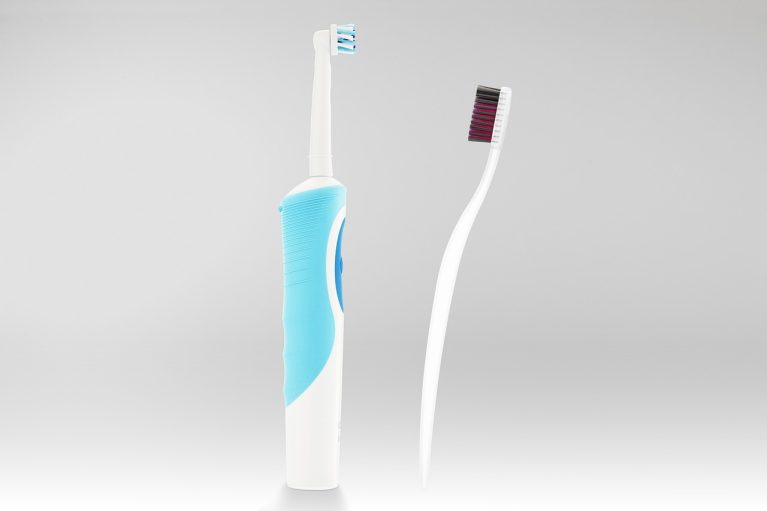
Clinical studies show electric toothbrushes (especially oscillating-rotating and high-quality sonic models) remove more plaque and reduce gingivitis modestly better than manual brushes. However, a well‑used manual toothbrush can be equally effective — the difference often comes down to technique, not the tool.
Technique and effort
- Manual: requires a consistent 45° angle, short circular or vibratory strokes, and deliberate coverage for two minutes. Good motor control and attention are essential.
- Electric: provides built‑in motion and often a two‑minute timer and pressure sensor, reducing reliance on fine motor skill. Less technique-dependent but still requires systematic coverage.
Cost and upkeep
- Manual: low upfront cost, replace every ~3 months; cheapest long term.
- Electric: higher initial cost; replacement heads add recurring expense. Compare total yearly cost (device amortized + heads) before deciding.
Who benefits most from upgrading
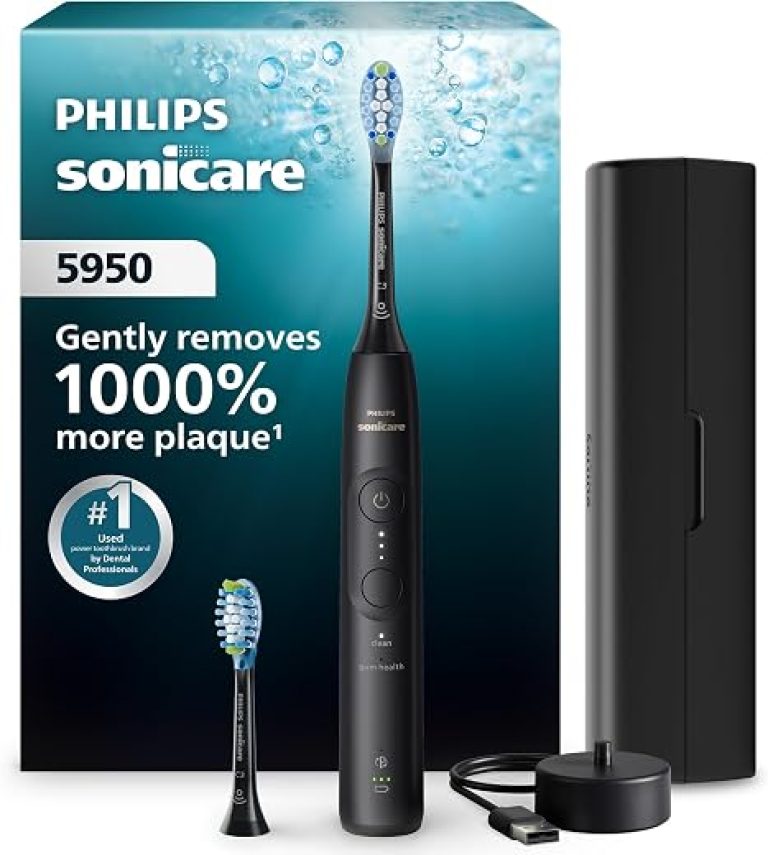
- Choose electric if limited dexterity (arthritis, tremor), braces or implants, a history of gingivitis, or inconsistent brushing time. The automatic motion and timers improve consistency.
- Stick with manual if budget is tight, manual dexterity is good, and disciplined technique is already established.
Clear quick test: if brushing often falls short of two minutes or coverage is uneven, an electric brush with a timer and pressure sensor is likely to deliver better clinical results.
Consider cost of replacement heads and seek models with a timer and pressure sensor.
Choosing and replacing brush heads
A simple, reliable process prevents poor fit and wasted purchases. Follow two short workflows: confirm compatibility, then inspect for replacement cues.
Confirm compatibility
- Check the toothbrush handle for a model number or series stamp and compare it with the replacement packaging or online listing. Look for the manufacturer’s fit list or a model-specific compatibility guide in the product description: manufacturer fit list and model guide.
- Match the connector style (snap-on, screw, magnetic) and shaft diameter; third-party heads should explicitly state the compatible models.
- When in doubt, buy from the toothbrush manufacturer or a reputable third-party that provides a clear refund/return policy.
Decide when to replace
Inspect heads every 4–6 weeks and replace sooner for these signs:
- Fraying or splayed bristles
- Loss of stiffness or flattened tips that no longer scrub enamel
- Discoloration beyond normal staining
- Bent or uneven bristles after heavy use
Also replace immediately after respiratory or gastrointestinal illness and more often if cleaning around braces or implants accelerates wear. For full timing guidance and exceptions, see the detailed schedule and tests: replacement timing guidance.
Practical habit: keep a spare set, note the date of first use on the package, and rotate heads to avoid overdue replacements.
Replace the head after any contagious illness. Bristles can retain microbes; replacing prevents reinfection and maintains cleaning effectiveness.
Interdental cleaning: choose the right tool
Choosing the right interdental tool
Interdental cleaning removes plaque where toothbrush bristles can’t reach. Selection depends on tooth spacing, manual dexterity, and lifestyle priorities (speed, portability, cost).
- Tight contacts: Use waxed dental floss or floss tape. Floss reaches the gingival margin and wraps the tooth surface; avoid snapping the strand — use gentle C-shaped strokes.
- Wider gaps and bridges: Choose interdental brushes sized to the gap. Insert straight, not forced, and replace when bristles splay. Brushes are the most effective for larger embrasures.
- Limited dexterity or quick routines: Floss picks and pre-threaded flossers provide easier handling but may not adapt to every contact angle; use them for convenience or travel, not as a permanent substitute for thorough flossing.
- Orthodontics, implants, heavy plaque, or sensitivity to flossing: A water flosser can improve access and patient compliance. Consider pressure settings and technique; see guidance on using a water flosser with braces for appliance-specific advice.
Safety notes: avoid forcing brushes or picks into tight contacts, stop if bleeding persists, and consult a dental professional for custom sizing or when appliances are present. Regular interdental cleaning—daily if possible—produces the greatest gum-health benefit.
Tongue scrapers and mouthwash
Tongue scraping: when and how
A coated tongue often drives morning halitosis; scraping reduces volatile sulfur compounds and bacterial load more reliably than brushing the tongue alone. Choose a metal or silicone scraper for broad, even pressure; a toothbrush tongue-cleaner is acceptable if a scraper is unavailable. Technique: gentle posterior-to-anterior sweeps, 3–5 times, rinsing between passes.
Mouthwash: antiseptic vs fluoride
Antiseptic rinses (chlorhexidine, cetylpyridinium chloride, essential oils) reduce plaque and gingivitis short-term—chlorhexidine is most potent but can stain and alter taste, so reserve for prescribed courses. Fluoride rinses provide topical caries protection for high‑risk patients and after restorative care. Use mouthwash as a complement to brushing and interdental cleaning, not a substitute.
Consider timing: avoid immediate rinsing with water after fluoride toothpaste; if using chlorhexidine, separate from toothpaste by about 30 minutes for best effect.
Avoid alcohol-containing rinses in people with xerostomia, mucositis, or a history of alcohol use disorder.
Chlorhexidine: short-term prescription only (staining, taste change); rinse 30 minutes apart from toothpaste.
Do not use fluoride rinses in children under 6 unless directed by a clinician.
Quick fixes and when to see a pro
Occasional mild bleeding can occur, but persistent bleeding usually indicates inflammation or poor technique.
Switch to a softer brush head, use gentler flossing motions or an interdental brush; if bleeding continues after two weeks, seek professional evaluation to rule out gingivitis or systemic causes.
Appliance-specific tools (interdental brushes, floss threaders, prescribed rinses) remove plaque around hardware far more effectively.
Match interdental brush size to the gap, avoid metal picks near implant crowns, and report any persistent soreness, redness, or loose components to the orthodontist or implant specialist.
Some failures fix with cleaned contacts or a replacement charger, but aging rechargeable batteries or internal faults often require replacement.
Clean the charging contacts, try the original charger and a full charge cycle; follow the charge troubleshooting guide if problems persist, and replace older handles to maintain cleaning efficacy.
How Recommendations Were Made
Recommendations were grounded in outcome-focused literature (systematic reviews and randomized trials prioritizing caries, plaque, gingivitis, and halitosis reduction) and refined by hands-on testing. Practical factors assessed included fit, ease of use, durability, hygiene, and ongoing cost or upkeep.
-
Evidence priorities
Systematic reviews and randomized trials that measured clinical endpoints guided choices; surrogate outcomes were secondary.
-
Hands-on testing
Tools were evaluated in repeated home-use simulations for fit, maneuverability, longevity, and cleaning/sterility.
-
Essential criteria
A tool was marked essential if it delivered measurable clinical benefit, broad usability across dexterity levels, affordable upkeep, and hygienic maintenance.
Two-step daily routine and short maintenance checklist
-
Step 1 — Brushing (morning and night)
Brush for two minutes with fluoride toothpaste. Use gentle, systematic strokes—about 30 seconds per quadrant—holding a manual brush at a 45° angle or letting an electric head move along each surface; avoid heavy pressure.
-
Step 2 — Interdental cleaning (once daily)
Clean between teeth once daily, ideally in the evening. Choose floss, floss picks, or interdental brushes to match spacing; glide tools gently along each contact, shaping floss into a C against the tooth to remove plaque.
-
Optional finish — Tongue and rinse
Use a tongue scraper with light strokes to reduce volatile compounds. If indicated, a short fluoride rinse completes the routine—do not swallow.
-
Maintenance checklist
Replace brush heads every ~3 months or after illness; clean interdental tools after use and allow them to air-dry; store brushes upright and let electric brush heads dry before reattaching; replace interdental brushes when bristles splay.
Set a 2-minute timer (phone or brush).
Keep the interdental tool visible beside the sink.
Mark replacement dates on a calendar or phone reminder.
Pick One Doable Routine
- Prioritize consistency over gadgets.
- Keep the three essentials: brush, fluoride paste, interdental cleaner.
- Set simple triggers (morning/night); replace heads on schedule and maintain hygiene habitually.
An evidence-backed, compact kit—a good brush, fluoride toothpaste, and an interdental cleaner—produces most oral health gains when used reliably. Marginal benefit from additional tools is real but small compared with the effect of daily adherence.
Select a routine that fits personal schedule and dexterity, make it concrete (for example, two minutes twice daily plus daily interdental cleaning), and treat replacement and hygiene as part of the ritual. Minor adjustments can follow after consistent practice; persistent symptoms warrant professional assessment. Consistency is the single most effective strategy for improved oral health.